Notes From Nepal: Visiting A New School

In the journal extract below, First Steps Himalaya supporter Carmel Hutchinson from Hong Kong talks about her experience visiting one of our new project schools in Nuwakot District.

Carmel spent a week in rural Nepal visiting First Steps Himalaya projects with Director, Durga Aran.

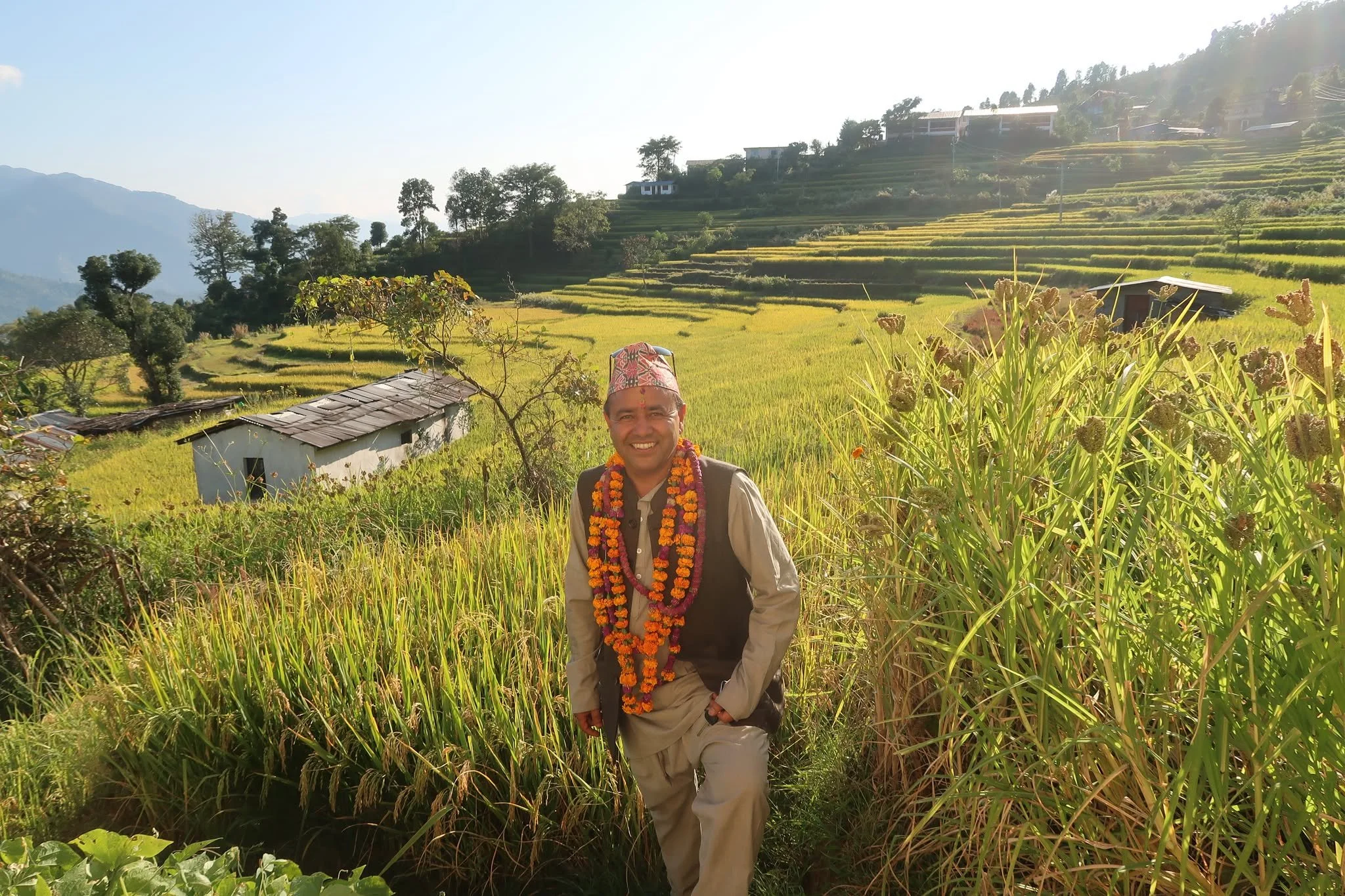
Finally arrived at Nuwakot! The area surrounding this school is absolutely stunning. It was definitely worth the rugged journey to see this area.

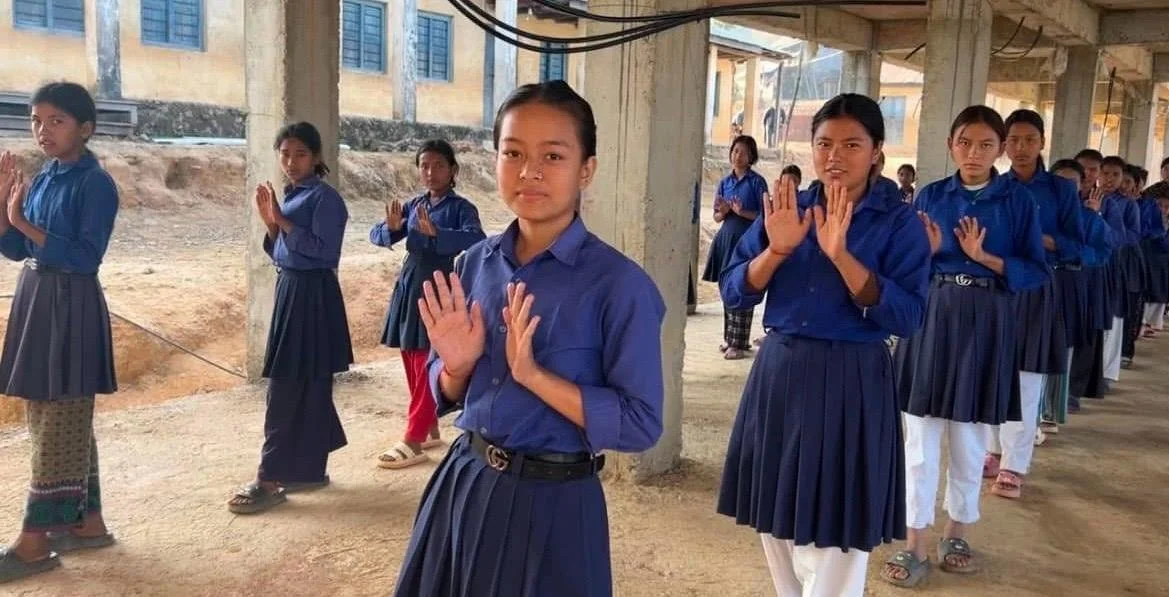
The school we visited today, Ajingare Secondary School, had a pupil free day in preparation for exams. It is a pre K to Yr 10 school. I’m not sure why the primary kids weren’t in school, but sadly we could not see the kids and teachers in action. It’s interesting to see they shut the entire school and little kids miss out in exam time.

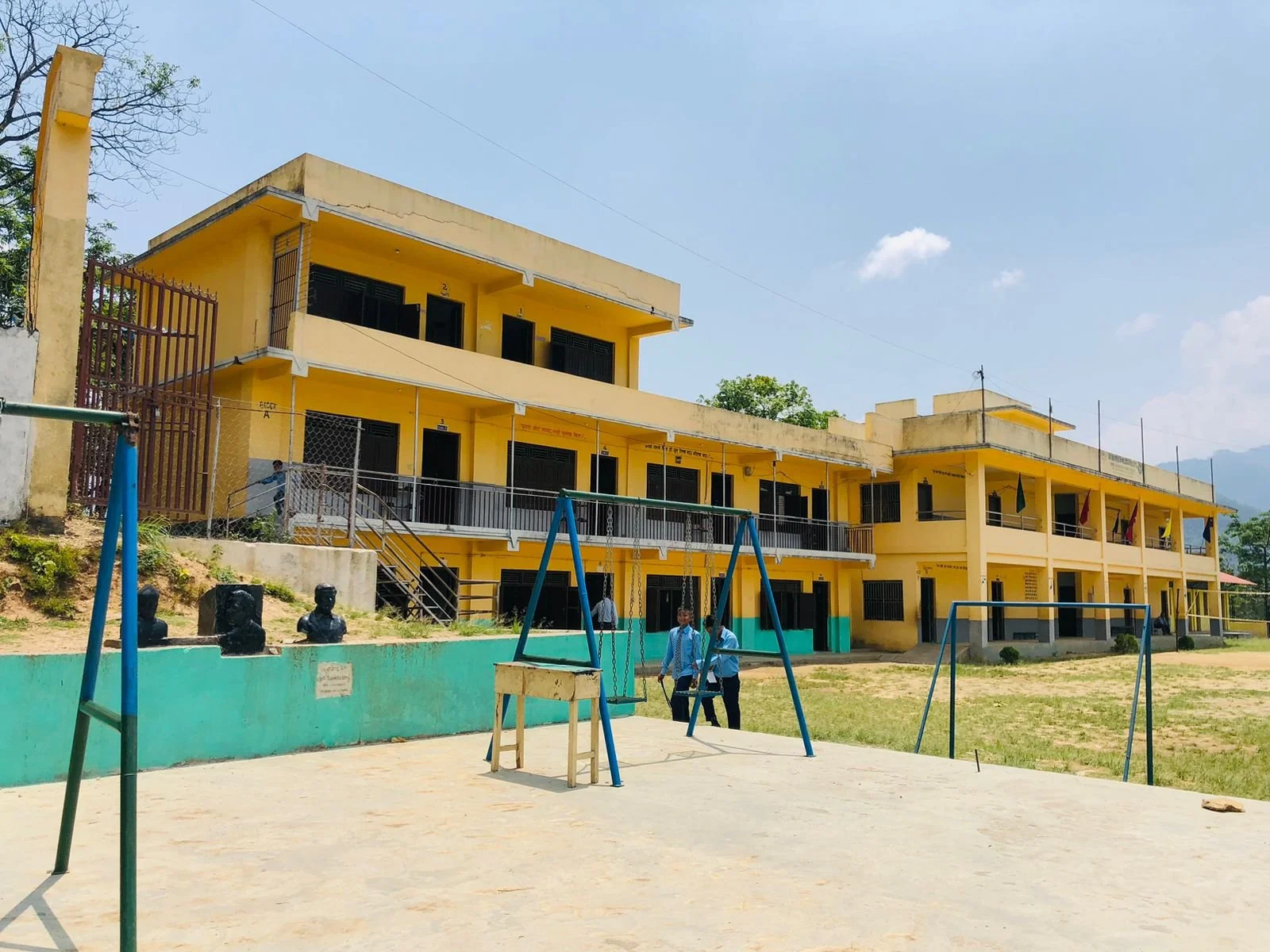
With local leader Dal behind the quest, this school wants to be taken on by FSH. It was heavily damaged in the earthquake with most of the school left either completely demolished or unstable. Apart from the appalling ablutions block and some shed like structures, it has since been rebuilt.  

00001158.jpg

There is a building at the entry to the school that was gutted in the earthquake and is still partially standing, with no plans for complete demolition. I’m not sure why, but I don’t think it belongs to the school, so it will probably stay like that, potential hazard that it is.

There are two buildings, both two-storey. There are quite nice and very practical. The Early Child Development room was a decent space but there was not a trace of anything in it that would appeal to children! It was basically an empty concrete room, half the floor slightly raised by a low platform, presumably to protect little bottoms from the cold concrete in winter.  

We were then taken to two other rooms, which have been earmarked to be the new ECD rooms. Again, just concrete rooms, but much lighter, so more welcoming spaces. Durga, Dal and the staff from that school spent a long time discussing how best to fit out the rooms.
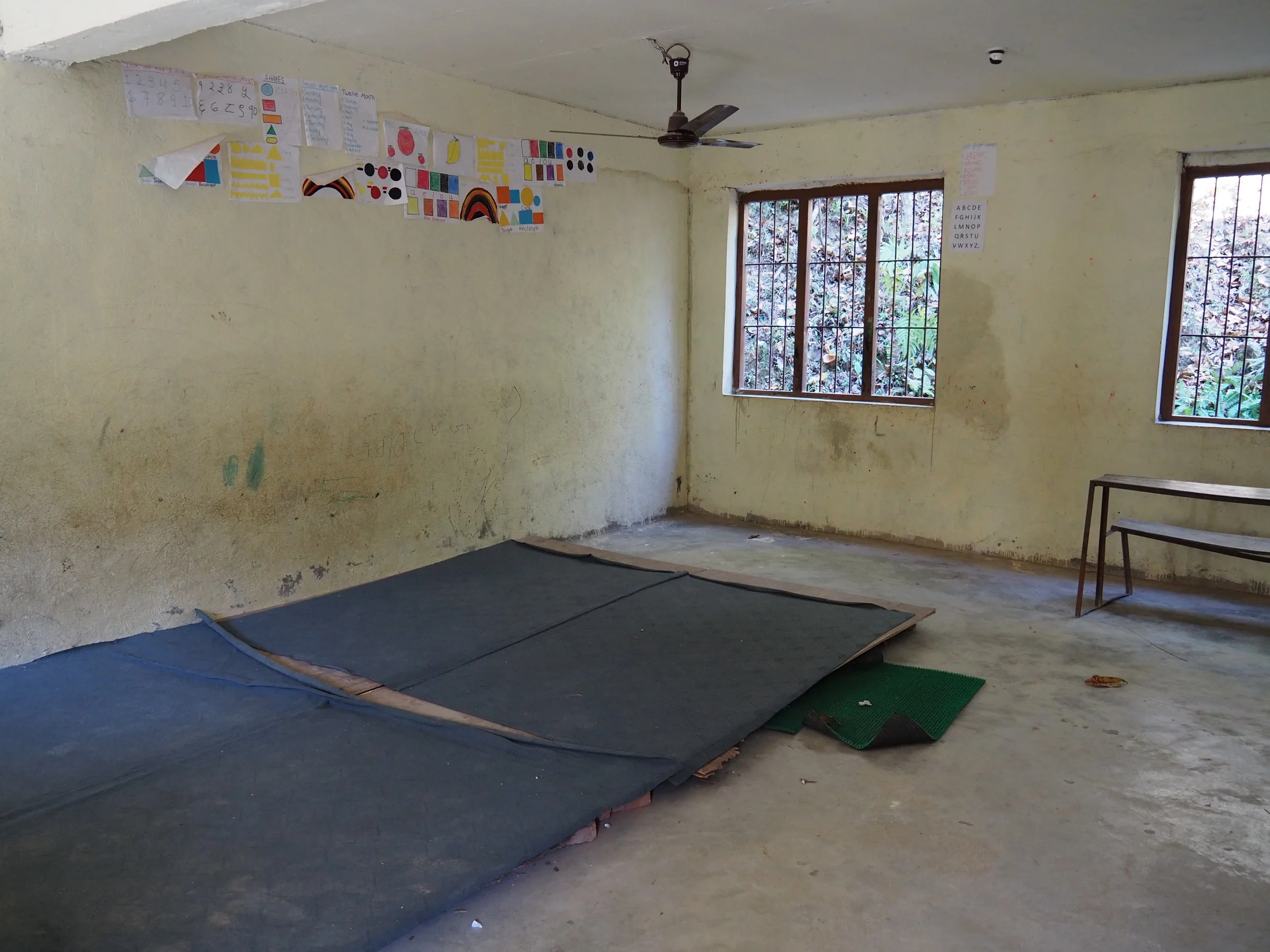
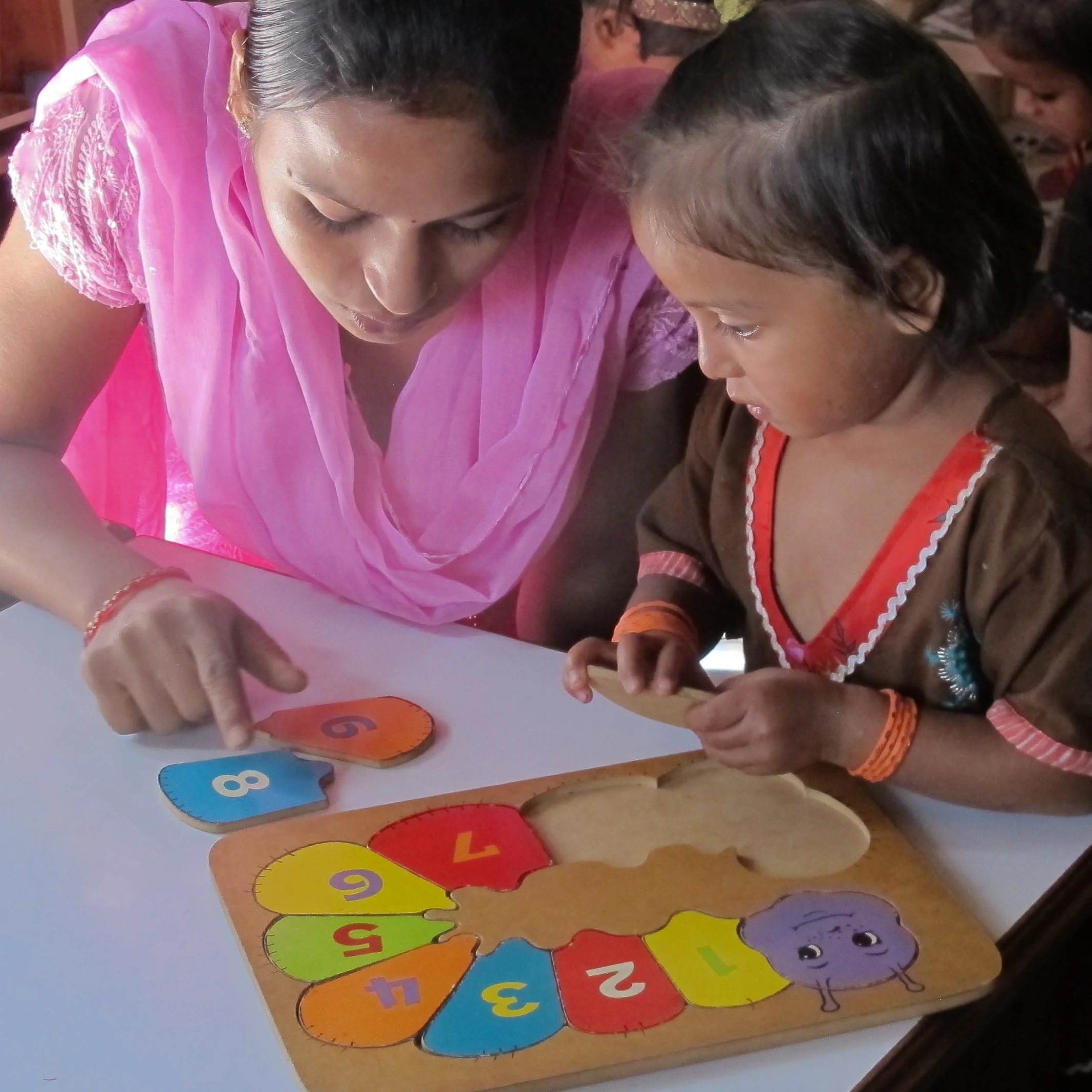
The aim for FSH is to train the teachers how to create a vibrant, stimulating, engaging and welcome environment, with a good play based teaching programme to go with it. I am sure it will only be a few years until this school could be at a similar standard to some of the other schools under FSH’s umbrella.

It would be exciting for the kids and teachers to have a better learning environment in the future. I’d be interested to go back in a couple of years to compare.

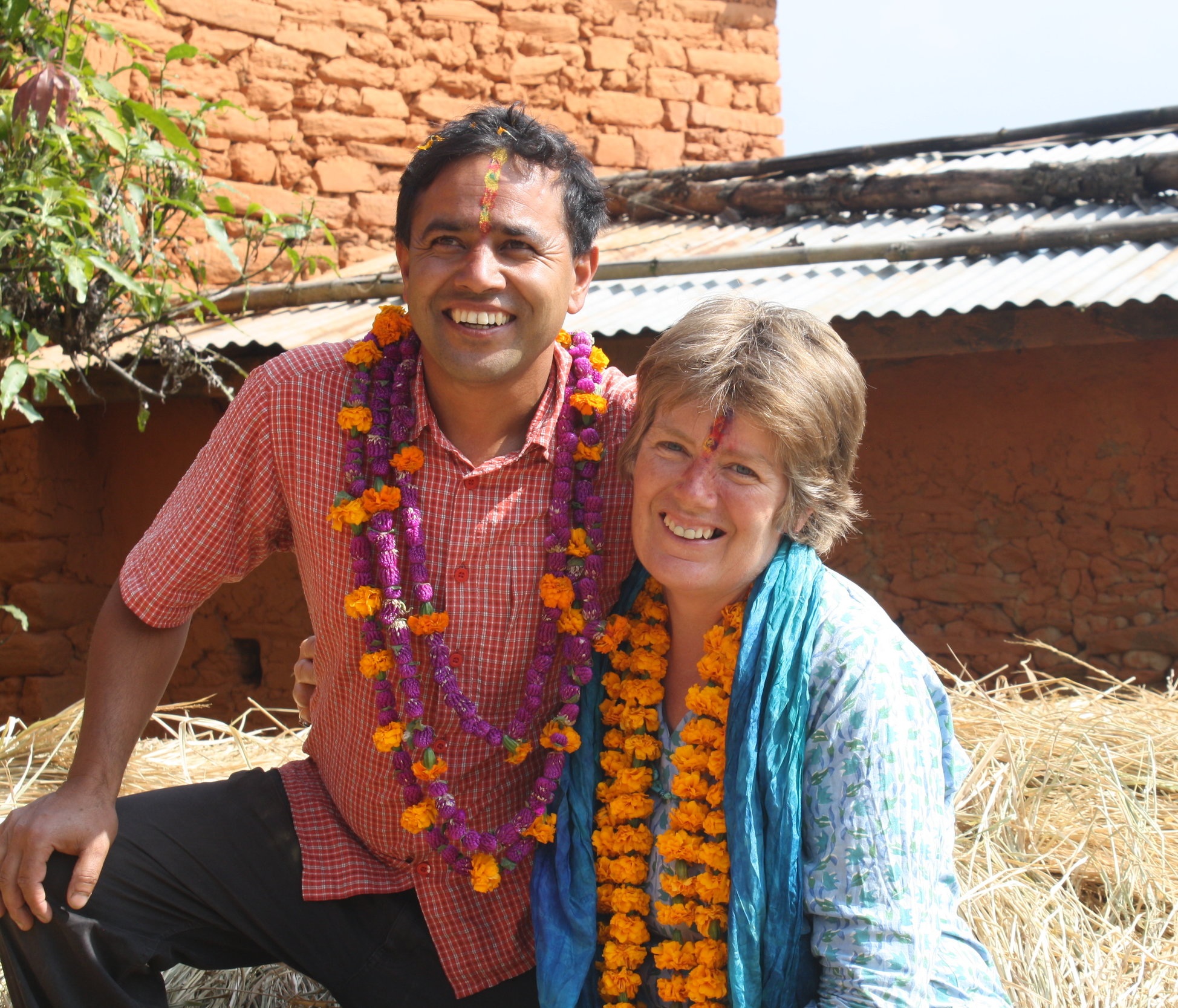
FSH staff Yasoda, Ranjana, director Durga, and Dal.

FSH staff Yasoda, Ranjana, director Durga, and Dal.

Ranjana and Yasoda with two local teachers.

Ranjana and Yasoda with two local teachers.

Text and photos courtesy of Carmel Hutchinson.

The Situation In Rural Nepal

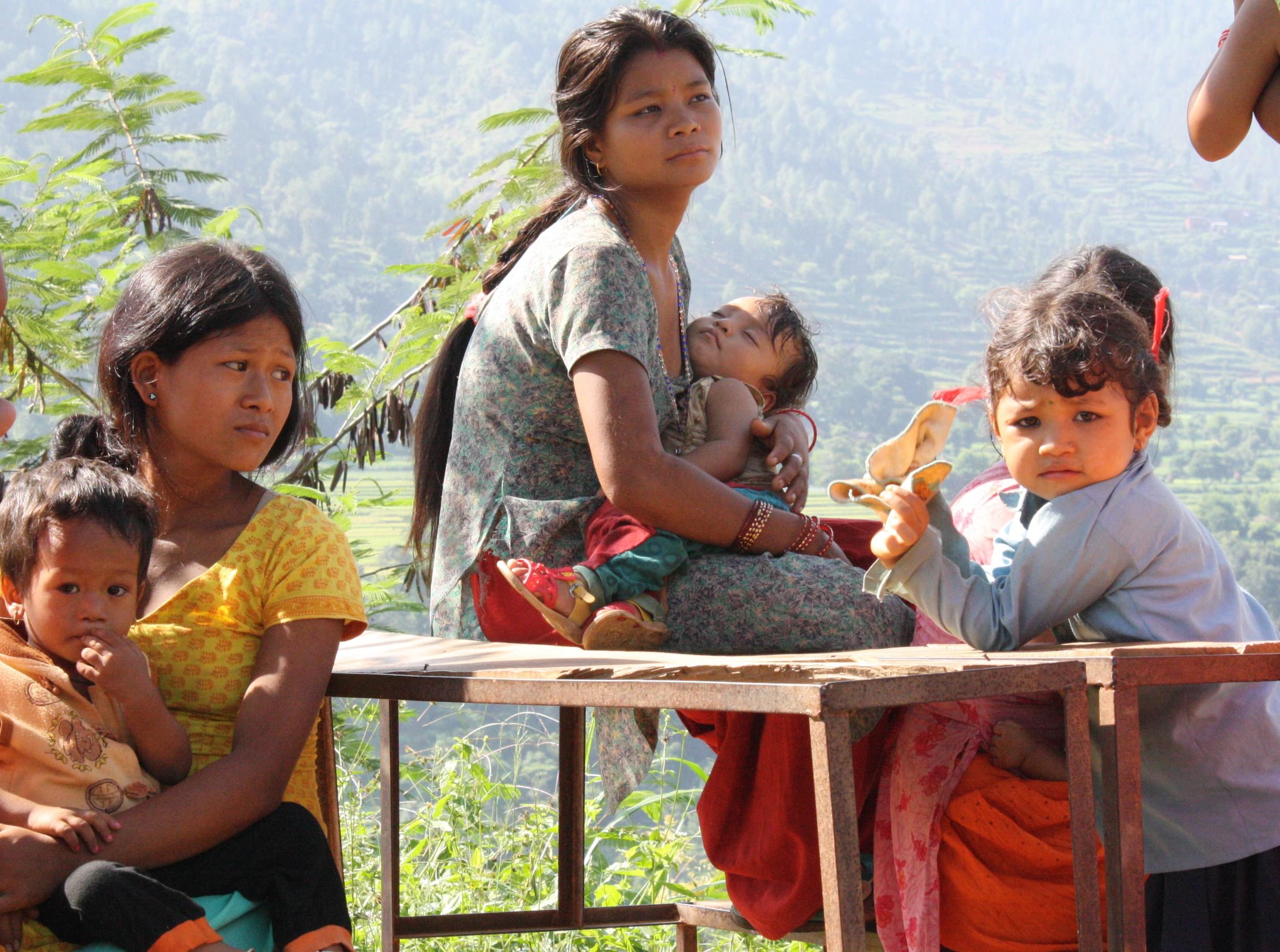
The situation for rural Nepali children is dire. All over Nepal, children are receiving sub-standard education in dilapidated government classrooms from untrained and unmotivated teachers. Academic results suffer, attendance levels are low, and graduation levels even lower.  


Families who can, will scrape together to send their children away to private schools, meaning even fewer children enrolled at the local government school, which leaves it at risk of being closed down altogether. This further marginalises the most impoverished rural families as their children’s access to education – even if it is sub-standard – is cut off.  

It has been documented worldwide that children who are deprived of education are lacking in critical thinking and decision-making skills, and are therefore more vulnerable to exploitation. They are more likely to become victims of child labour, trafficking, and exploitative overseas labour.  


In Nepal, many of these young people leave the village to find work in Kathmandu, India or the Gulf. Even there though their opportunities are few and they often find themselves trapped in exhausting conditions, not making the money they’d expected. Some don’t survive.  

Meanwhile back in the village, uneducated young women are further burdened with maintaining the farm while bringing up the next generation of rural children. Their husbands may return home once a year during Dasain festival, but sometimes even this isn’t manageable. Rural women have even fewer opportunities for advancement than the men, and lack the education or empowerment to raise themselves out of the cycle of poverty.  

Something urgently needs to change to break this cycle. Something big. Taking on the mission of improving education quality in a country is no small task, but it’s what First Steps Himalaya is working toward, one step at a time.  

We believe that quality education – available in rural communities where there is the most dire need – can combat the cycle of poverty and exploitation. Our vision is to create opportunities through learning, by providing access to quality early-years education.  

We work with teachers and in classrooms, setting high standards for child-friendly methods and materials. Our thorough teacher-training programme is followed up by ongoing monitoring and support, to ensure standards are maintained and children continue to receive the education they deserve.  

DSCN4405.JPG

From one small classroom in Sindhupalchok district ten years ago, we’ve already expanded to 75 classrooms across three districts in rural Nepal. Our methods are now being sought by schools and other aid organisations, who all recognise as we do the importance of quality education for improving the dire situation in Nepal’s rural communities.  

Quality education can empower the next generation of rural Nepali children to take their future into their own hands, to create their own opportunities, and to break free of the cycle of poverty.  

Learn more about our training methods, our projects, and our story. Or find out how you can help us to make a difference here.

Welcome to the First Steps Himalaya Blog

Welcome friends, supporters, and interested readers to the First Steps Himalaya blog.

Here we’ll be sharing with you our exciting new developments, updates on our progress, first hand experiences from volunteers and teachers, behind the scenes peeks at how we do what we do, and entertaining stories from our past.

We’ve been working in Nepal since 2008 to raise the standard of education in rural communities. Over the years we’ve developed an effective method to achieve this, which involves teacher training, classroom refurbishment and provision of resources. We also provide ongoing monitoring and support to our project schools to ensure long term success and a better education for the children.

All over Nepal, children are receiving sub-standard education in dilapidated classrooms from untrained & unmotivated teachers. We’ve seen what a lack of education can do in poor and rural communities. This results in a community with limited life skills, who are vulnerable to exploitation and very likely to be stuck in a cycle of poverty and limited opportunities.

We want to break that cycle and empower these children to change their future with the skills they can gain through a quality education.

From our small beginnings with just three children in one early childhood class, we’ve now grown to support 75 classrooms in 26 schools across 3 districts in Nepal, helping thousands of young Nepali children to reach their potential. And we’re still growing.

edited.jpg

We’re excited to share with you our progress, adventures, and past stories so you can see inside how we work and the challenges that face not only young Nepali students but also their teachers, and those who are trying to help.

We look forward to you joining us on this journey.

- The First Steps Himalaya Team