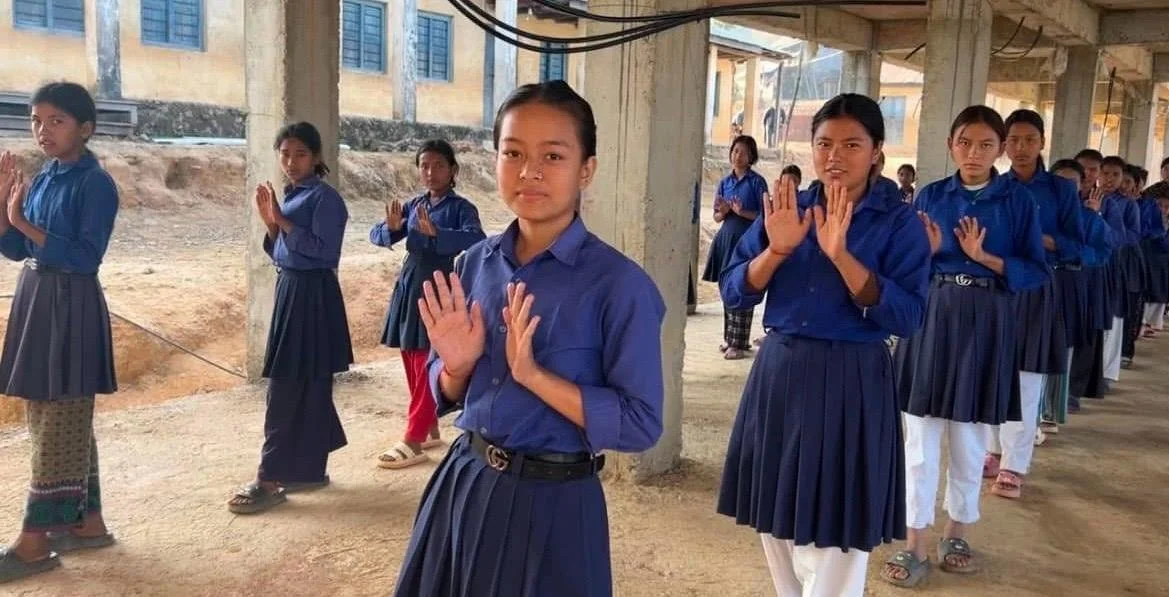
At First Steps Himalaya, we believe every child has the right to live, learn, and grow free from violence, intimidation, and fear. That belief has led us to develop Safe Steps, a new school-based child safety and self-defence programme in Nepal.
The need is urgent. Recent Nepal Police data recorded 2,507 rape cases and 460 attempted rapes in a single fiscal year, with most victims being girls aged 11–16. In more than 80% of cases, the perpetrator was someone known to the child, a trusted adult, teacher, neighbour, or acquaintance. These are deeply distressing realities, and they underline why prevention and education are critical.
A Sustainable, School-Centred Approach
Safe Steps is designed to create long-term change within schools.
Rather than delivering one-off sessions, we are training selected teachers from government schools as Safe Steps Practitioners. These trained educators will then:
Deliver safety education to all students
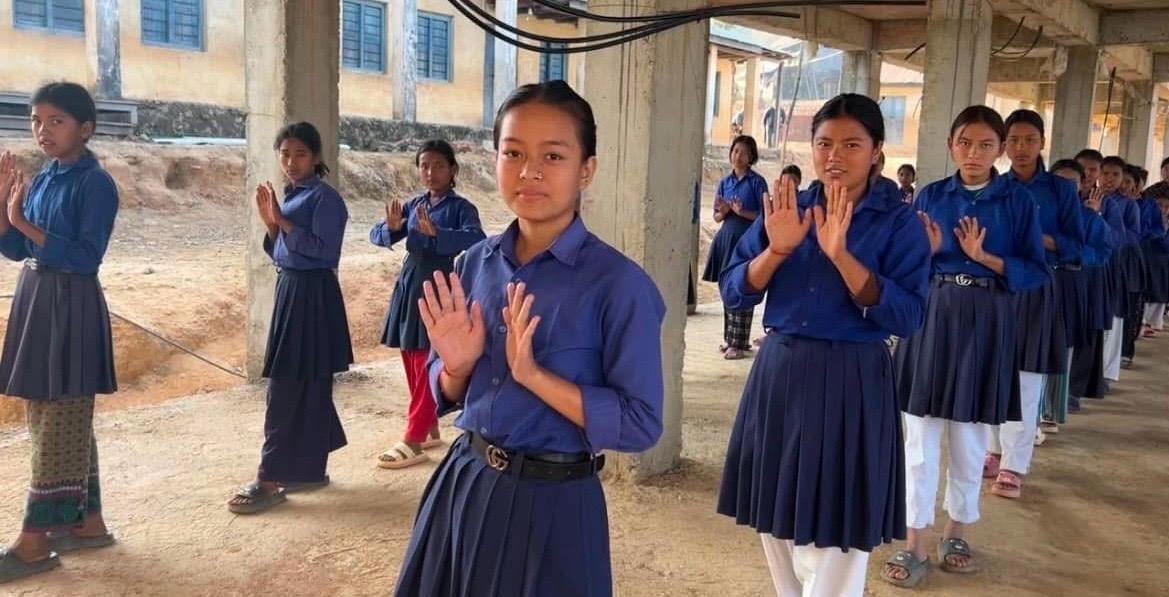
Provide practical self-defence training to adolescent girls
Orient school management committees and staff
Implement a six-month school-wide safety action plan
In one three-day intensive training, up to 30 teachers can be equipped with the skills, curriculum, and tools to reach hundreds of children. During the training itself, students also participate in practical sessions, ensuring immediate impact.
Building Safer School Communities
What makes Safe Steps different is its multiplier effect. Each participating school develops a six-month action plan to embed safety into everyday school life. This includes:
Student workshops on personal safety and boundaries
Parent sessions on violence prevention
Anonymous reporting mechanisms
Collaboration with local education and women’s protection authorities
The programme uses participatory methods — role plays, case studies, and practical exercises — so teachers and students gain real confidence and practical skills.
Safe Steps also takes a gender-responsive approach. While recognising the disproportionate risks faced by girls, it also engages boys in promoting respect and challenging harmful norms. Schools in low-income areas are prioritised, and inclusion measures ensure that children with disabilities are not left behind.
Turning Schools into Places of Protection

By equipping teachers first, FSH ensures that safety education reaches not just one classroom, but entire school communities — and continues long after the initial training.
If you would like to support this vital programme, your donation would help us train more teachers, reach more schools, and protect more children.
Together, we can take the first steps toward safer futures.