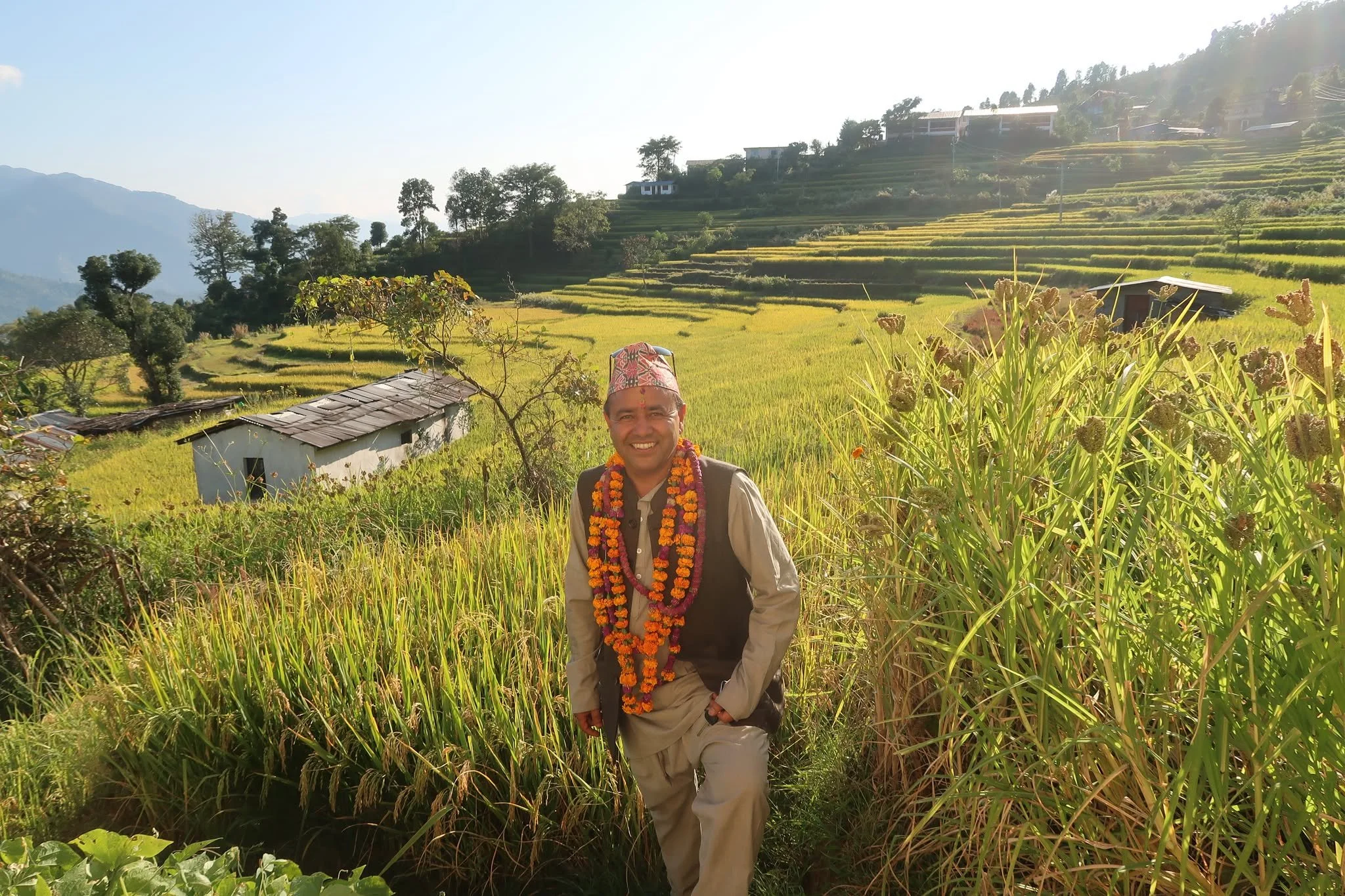
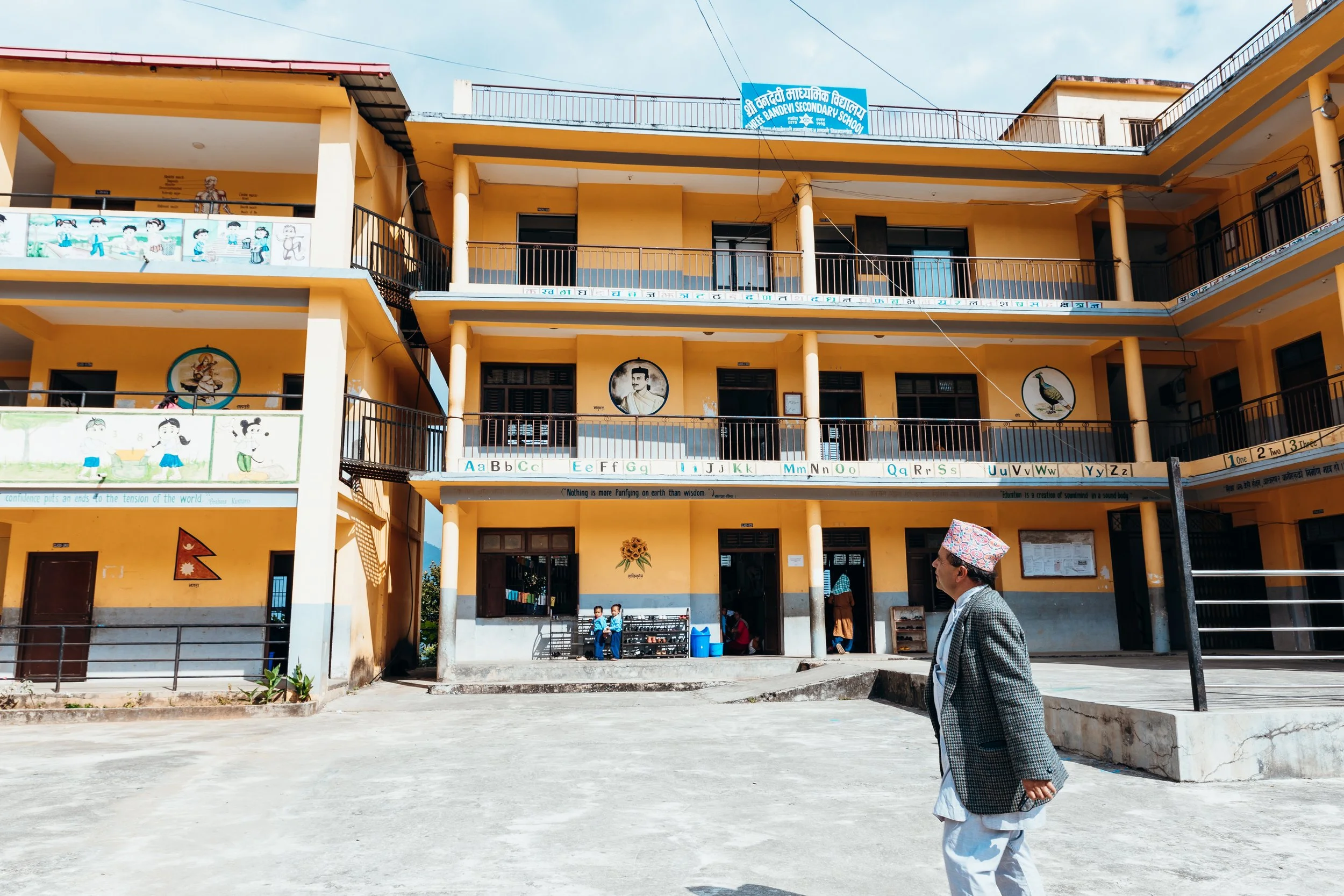
Durga in his own village of Jitpur, Sindhupalchok.
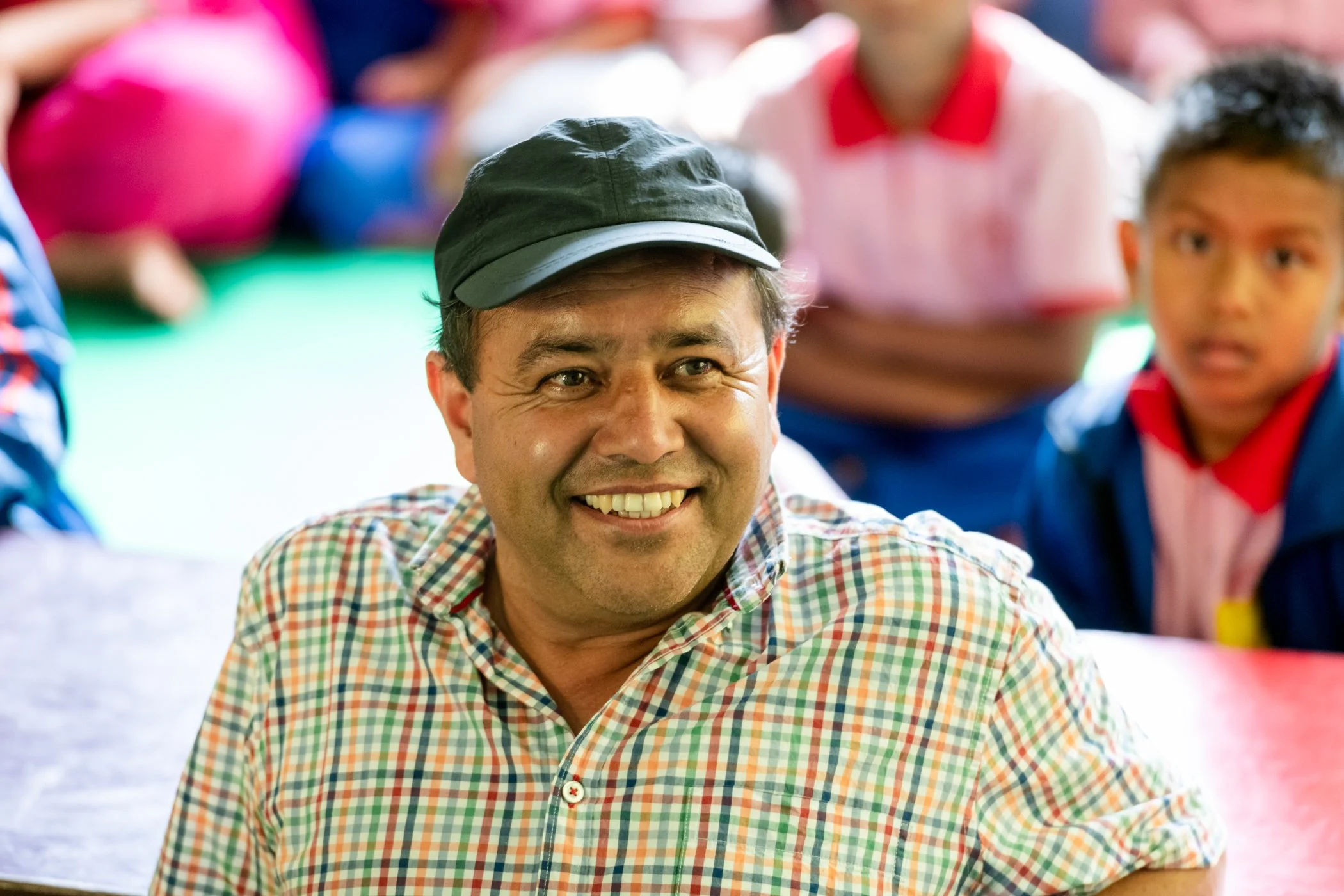
On a clear morning in Nepal, First Steps Himalaya founding Director, Durga Aran moves between schools with local teams—sitting in classrooms, talking with teachers, and spending time with school leaders. There is nothing performative about days like this. No announcements or defining moments, just a steady presence in the places where education actually happens.
Over time, it is this kind of leadership that begins to shift how schools work. Not through sudden change, but through consistency and through trust that is built slowly, in context, and over years rather than months.
What is often overlooked in education development work is how much difference it makes when leadership is deeply rooted in the same context it is working in.
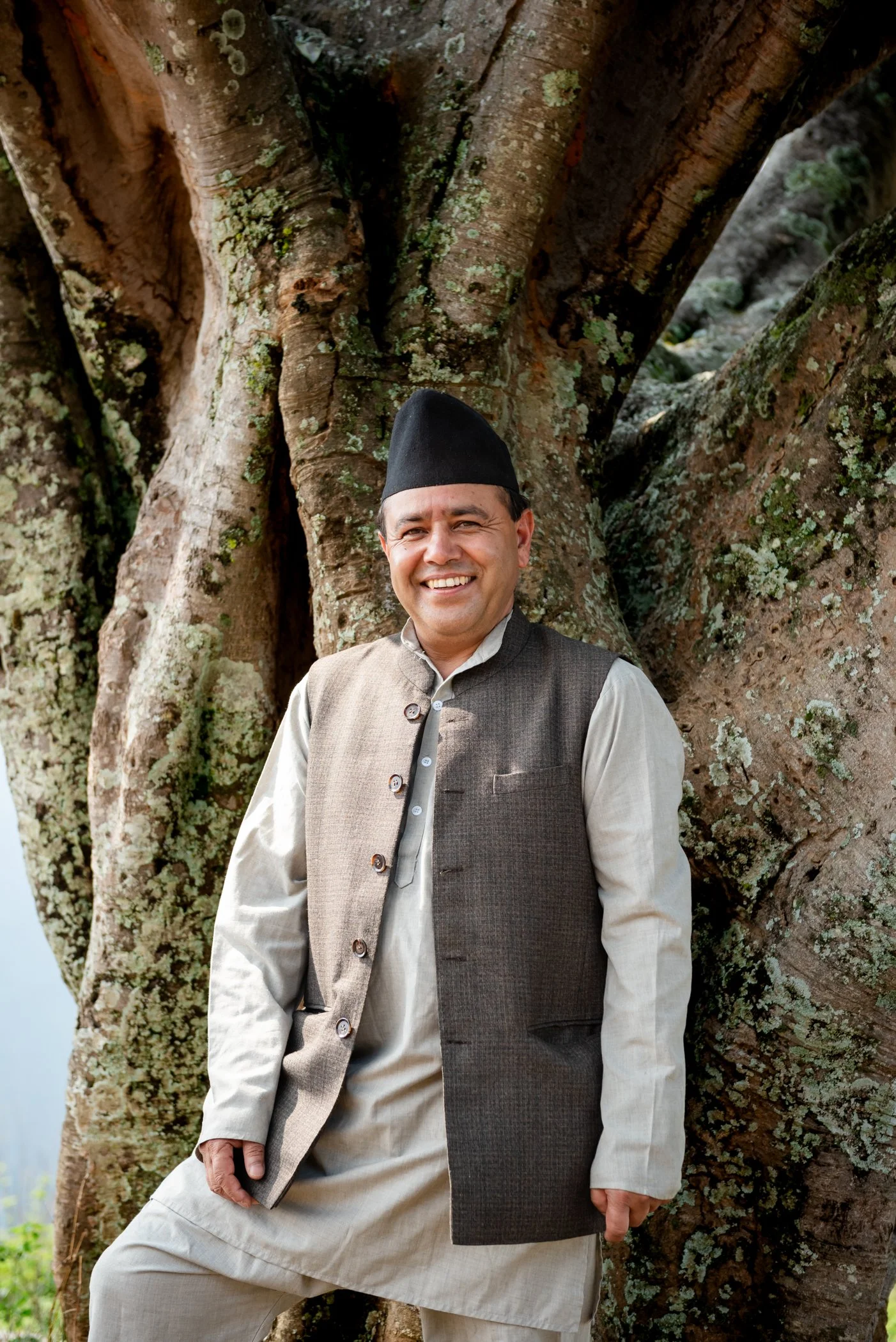
Durga is Nepali. That shapes how he works in ways that are subtle but important. It means conversations with head teachers happen in a shared language of experience, not translation. It means working with local leaders is not about introducing external ideas, but strengthening and refining what already exists. And it means change is not positioned as something delivered from outside, but something developed from within communities themselves.
This is visible in the way he engages with schools.
Teachers are not treated as recipients of instruction, but as professionals working within their own environments. School leaders are not managed from a distance, but are part of ongoing dialogue about what is actually happening inside classrooms and what needs to shift for learning to improve. Local communities are not passive observers of a programme, but active participants in shaping how education develops for their children.
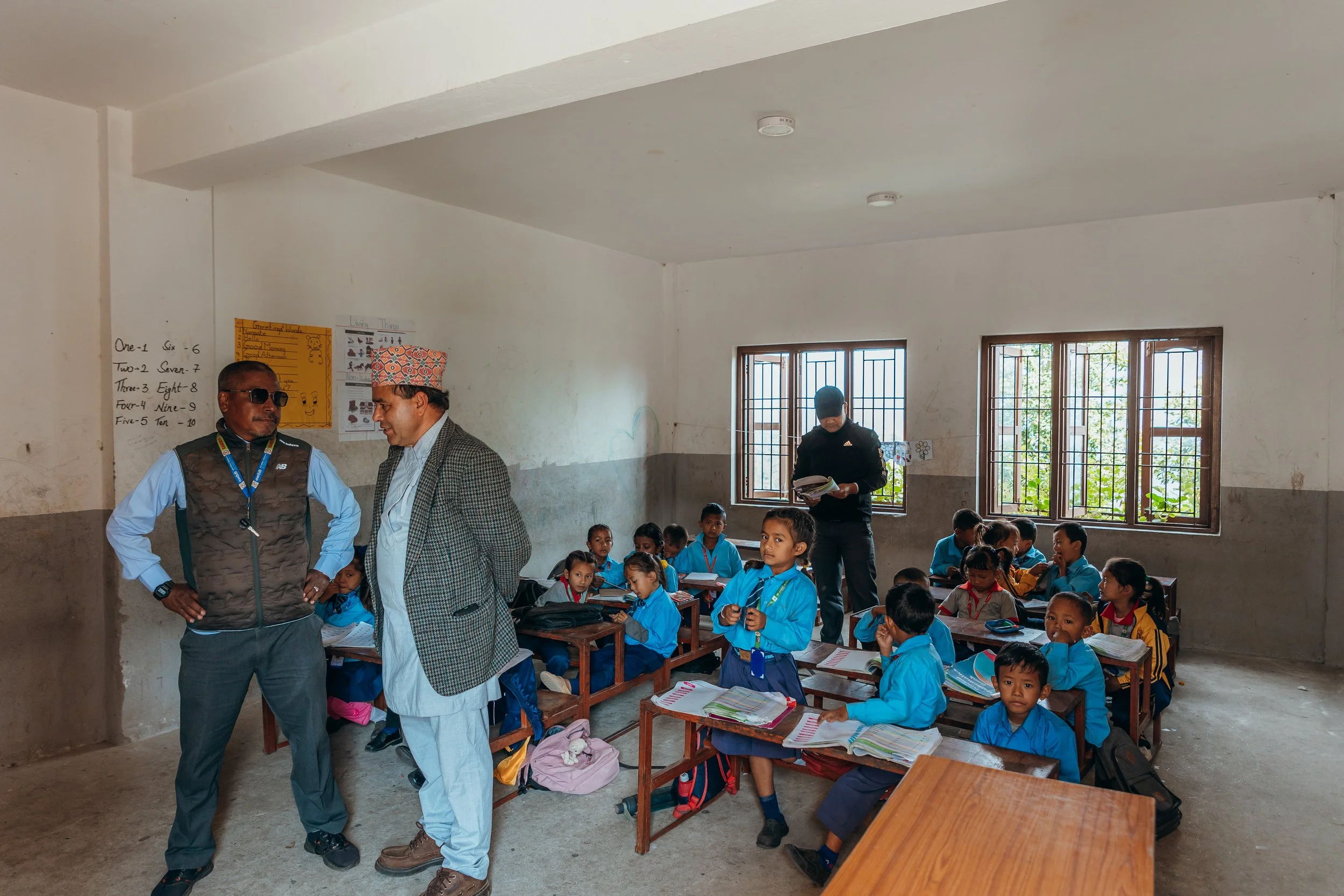
This changes the nature of the work. It becomes less about implementation and more about alignment.
In many of the schools, the results of this approach are not immediate or dramatic. Instead, they appear in smaller, more incremental shifts that become visible over time. A teacher begins to adjust how they engage a class. A head teacher strengthens how routines are managed across the school day. A leadership team starts to focus more consistently on learning and less on administration.
Individually, these changes might seem modest. Together, they begin to reshape how a school functions.
Durga’s leadership is less about directing change and more about creating the conditions where change can take hold and sustain itself. That requires long-term presence in schools, sustained trust with communities, and a close understanding of how decisions are actually made at local level not just how they are designed in principle.
It also requires staying close enough to the work that feedback is immediate, unfiltered, and grounded in reality rather than reporting.
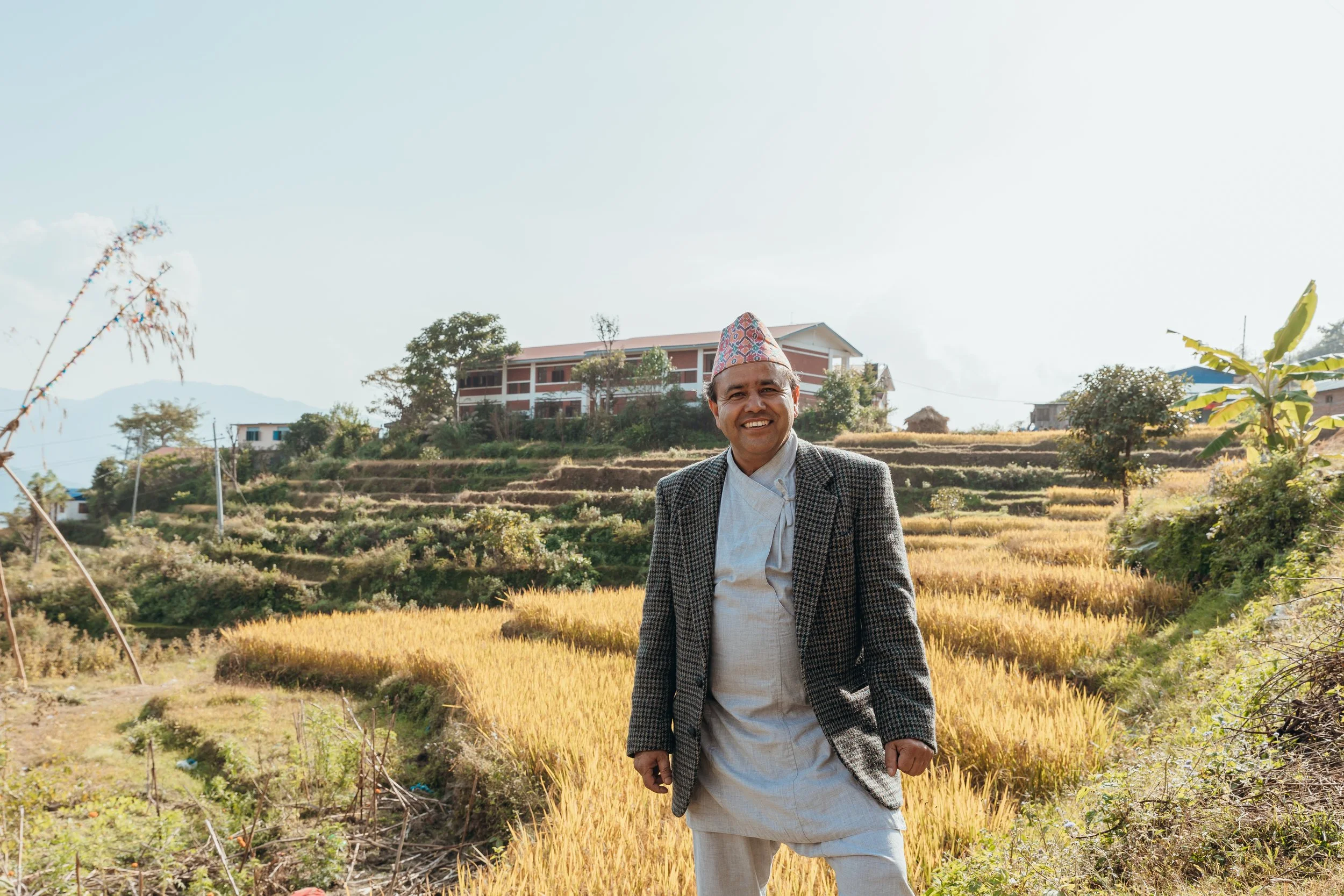
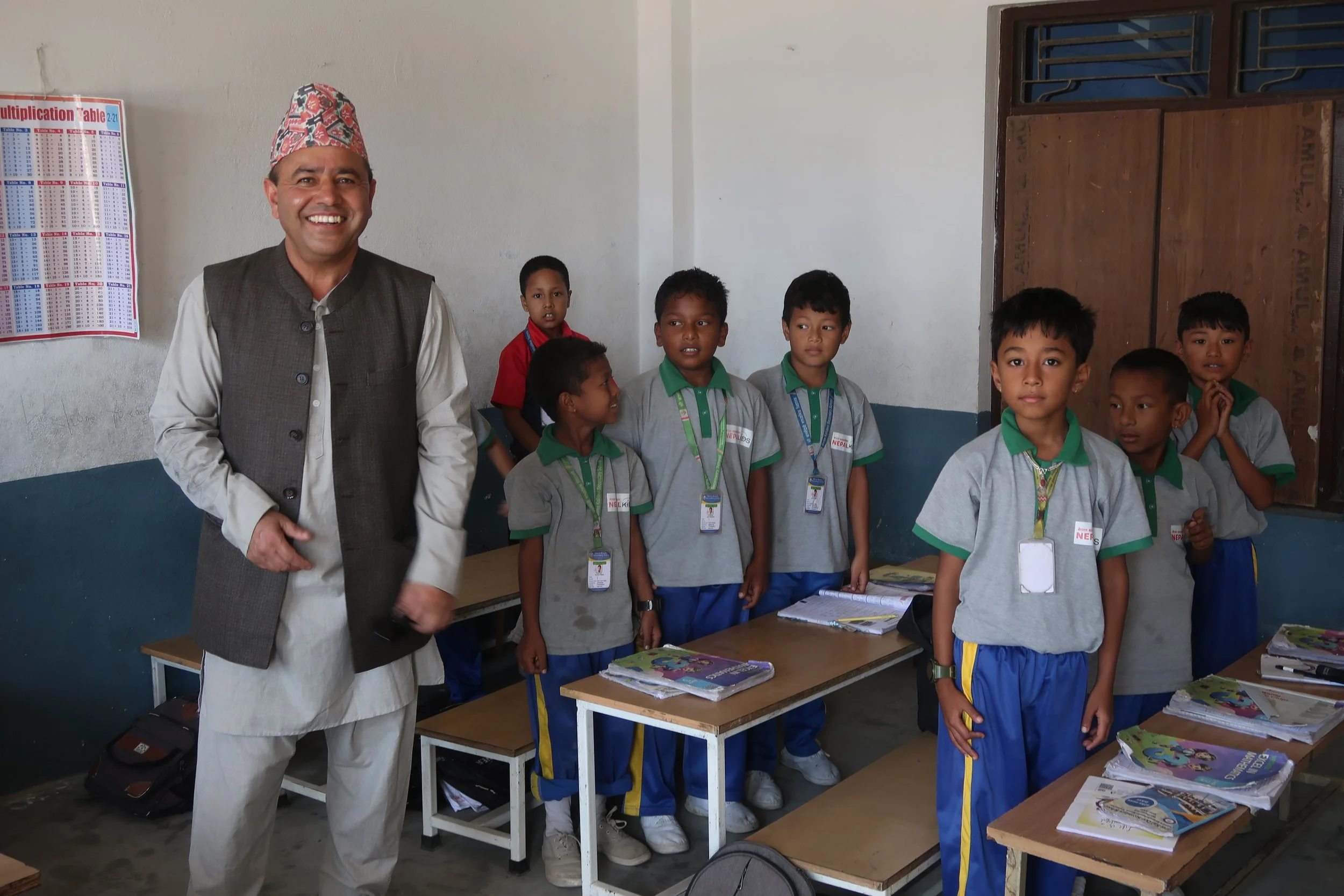
What emerges from this is a different kind of development work: one that is not driven by external momentum, but by internal ownership. Local leaders and teachers are not positioned as beneficiaries of change, but as active contributors to it.
Over time, this begins to show in the way schools function. There is more consistency in teaching practice, more collaboration between teachers, and more grounded leadership discussions focused on learning rather than process.
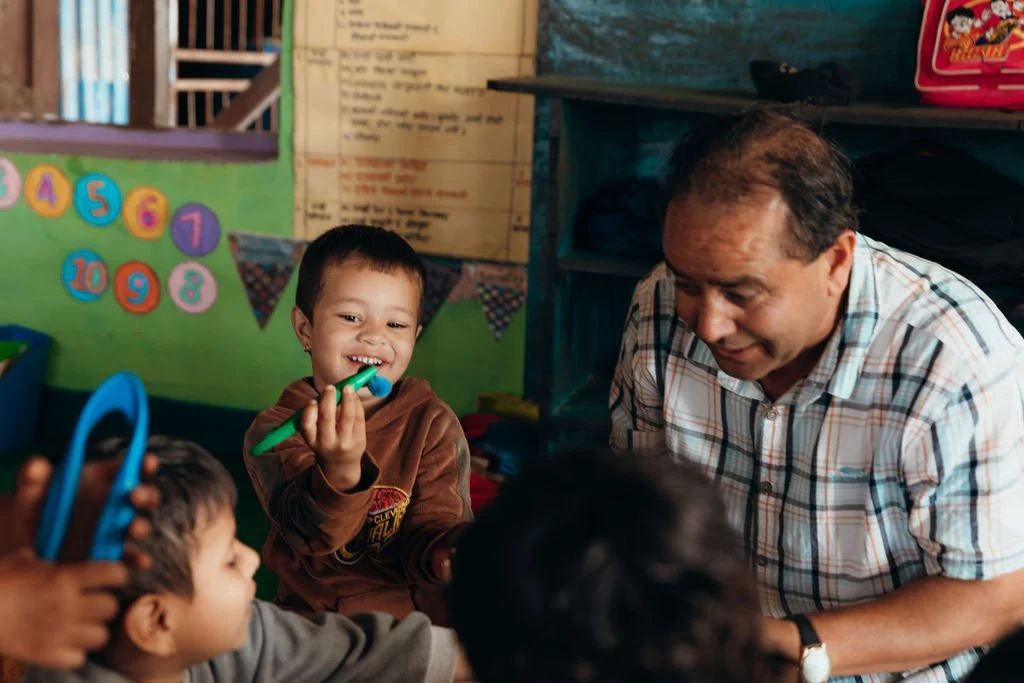
Nothing about this is fast, but it is stable.
And perhaps that is the point. In education, lasting change rarely comes from intensity or visibility. It comes from proximity, understanding, and leadership that is close enough to the context to work with it rather than around it.
That is what quietly shapes this work: day by day, school by school, conversation by conversation.