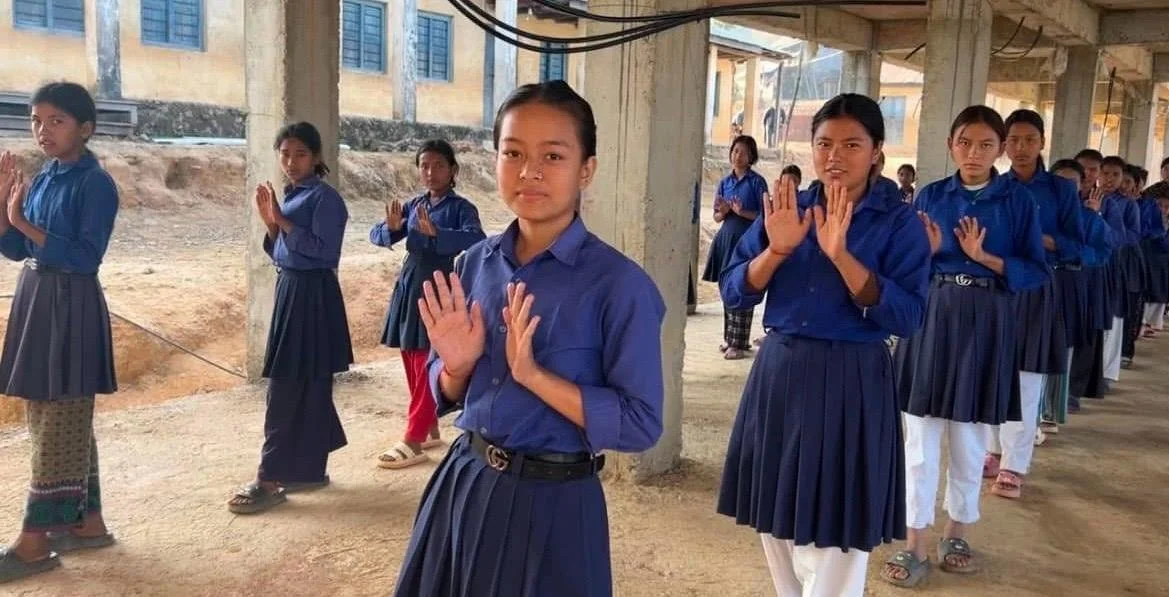
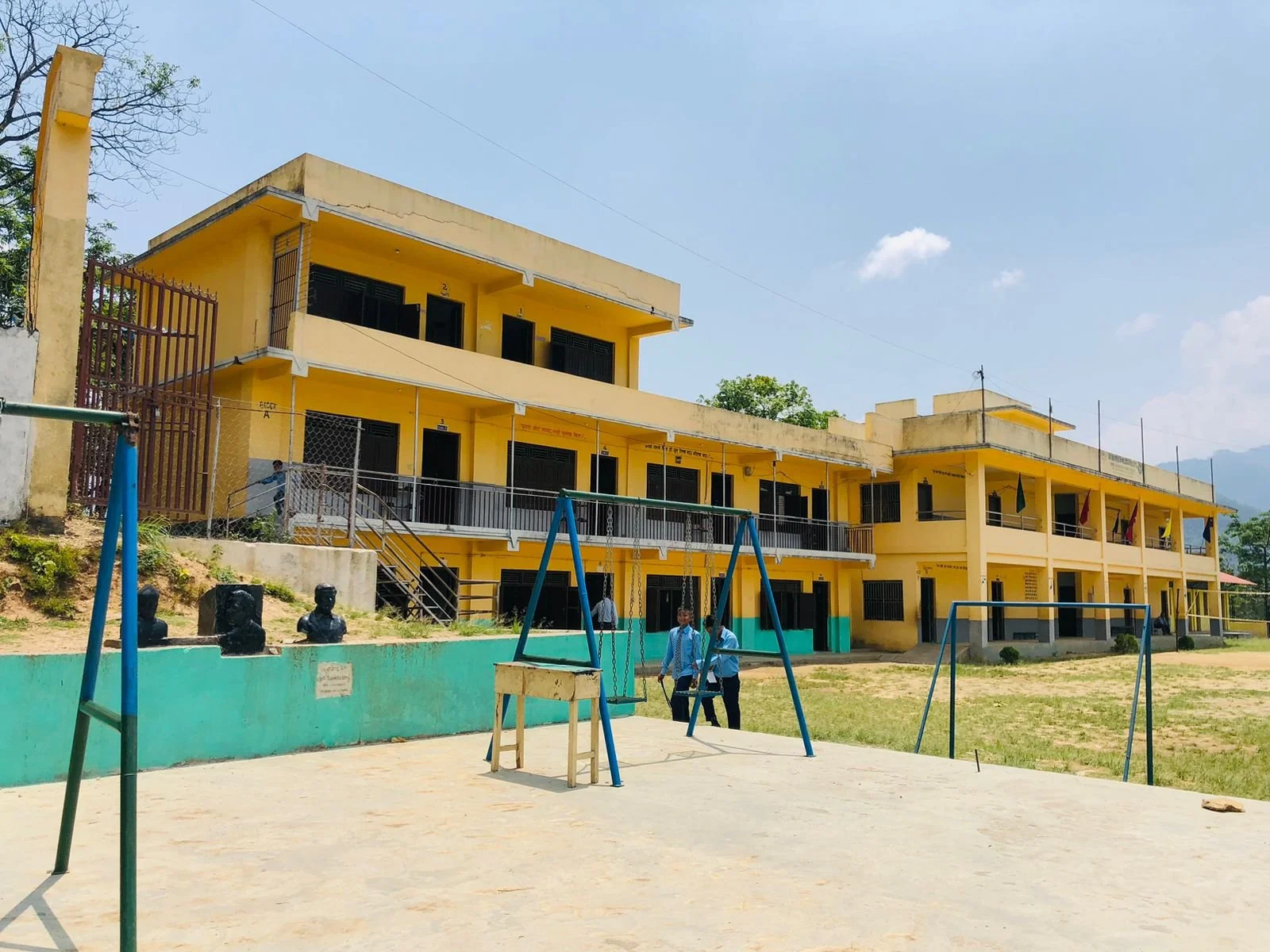


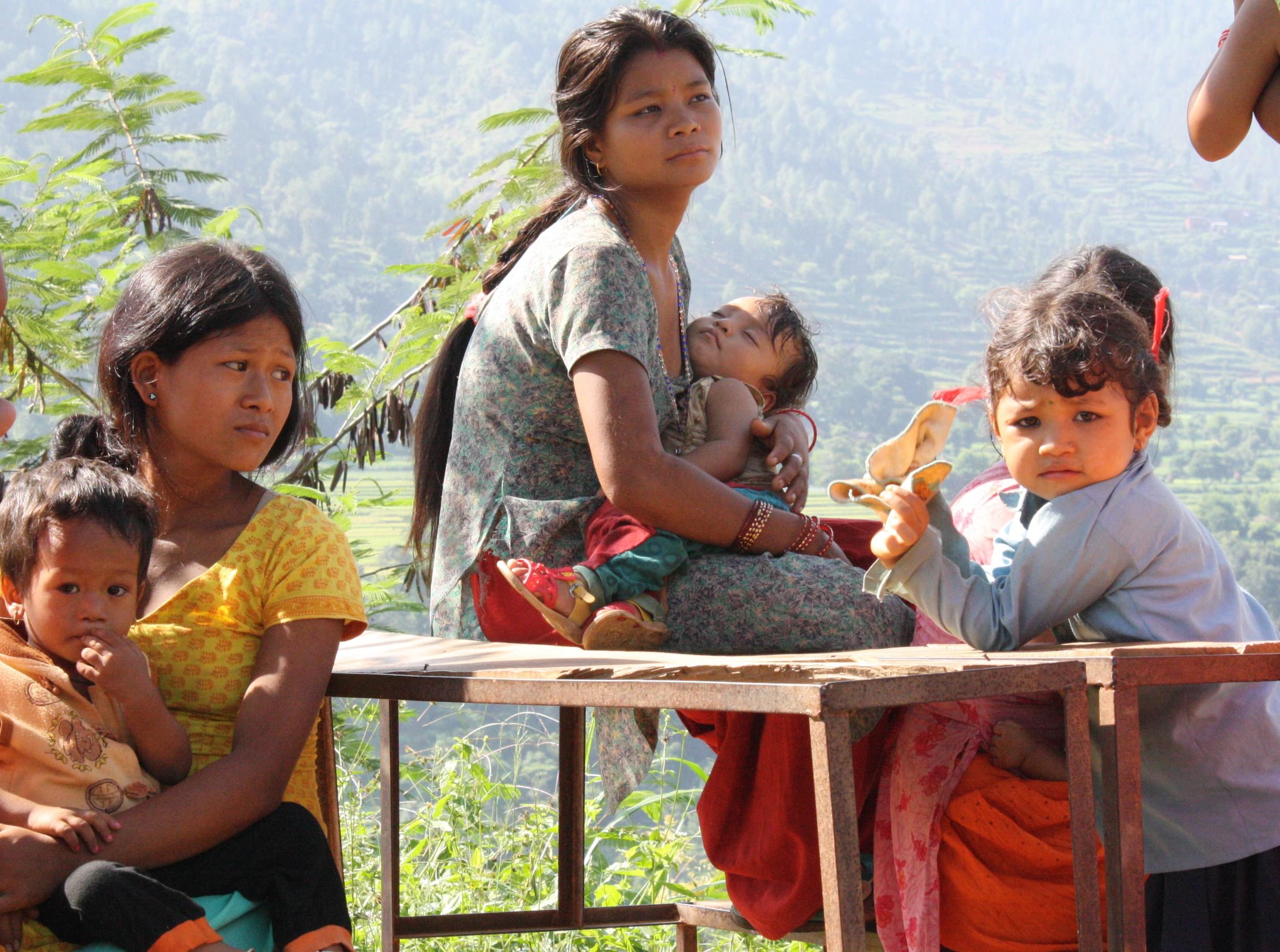
The situation for rural Nepali children is dire. All over Nepal, children are receiving sub-standard education in dilapidated government classrooms from untrained and unmotivated teachers. Academic results suffer, attendance levels are low, and graduation levels even lower.

Families who can, will scrape together to send their children away to private schools, meaning even fewer children enrolled at the local government school, which leaves it at risk of being closed down altogether. This further marginalises the most impoverished rural families as their children’s access to education – even if it is sub-standard – is cut off.
It has been documented worldwide that children who are deprived of education are lacking in critical thinking and decision-making skills, and are therefore more vulnerable to exploitation. They are more likely to become victims of child labour, trafficking, and exploitative overseas labour.

In Nepal, many of these young people leave the village to find work in Kathmandu, India or the Gulf. Even there though their opportunities are few and they often find themselves trapped in exhausting conditions, not making the money they’d expected. Some don’t survive.
Meanwhile back in the village, uneducated young women are further burdened with maintaining the farm while bringing up the next generation of rural children. Their husbands may return home once a year during Dasain festival, but sometimes even this isn’t manageable. Rural women have even fewer opportunities for advancement than the men, and lack the education or empowerment to raise themselves out of the cycle of poverty.

Something urgently needs to change to break this cycle. Something big. Taking on the mission of improving education quality in a country is no small task, but it’s what First Steps Himalaya is working toward, one step at a time.
We believe that quality education – available in rural communities where there is the most dire need – can combat the cycle of poverty and exploitation. Our vision is to create opportunities through learning, by providing access to quality early-years education.
We work with teachers and in classrooms, setting high standards for child-friendly methods and materials. Our thorough teacher-training programme is followed up by ongoing monitoring and support, to ensure standards are maintained and children continue to receive the education they deserve.
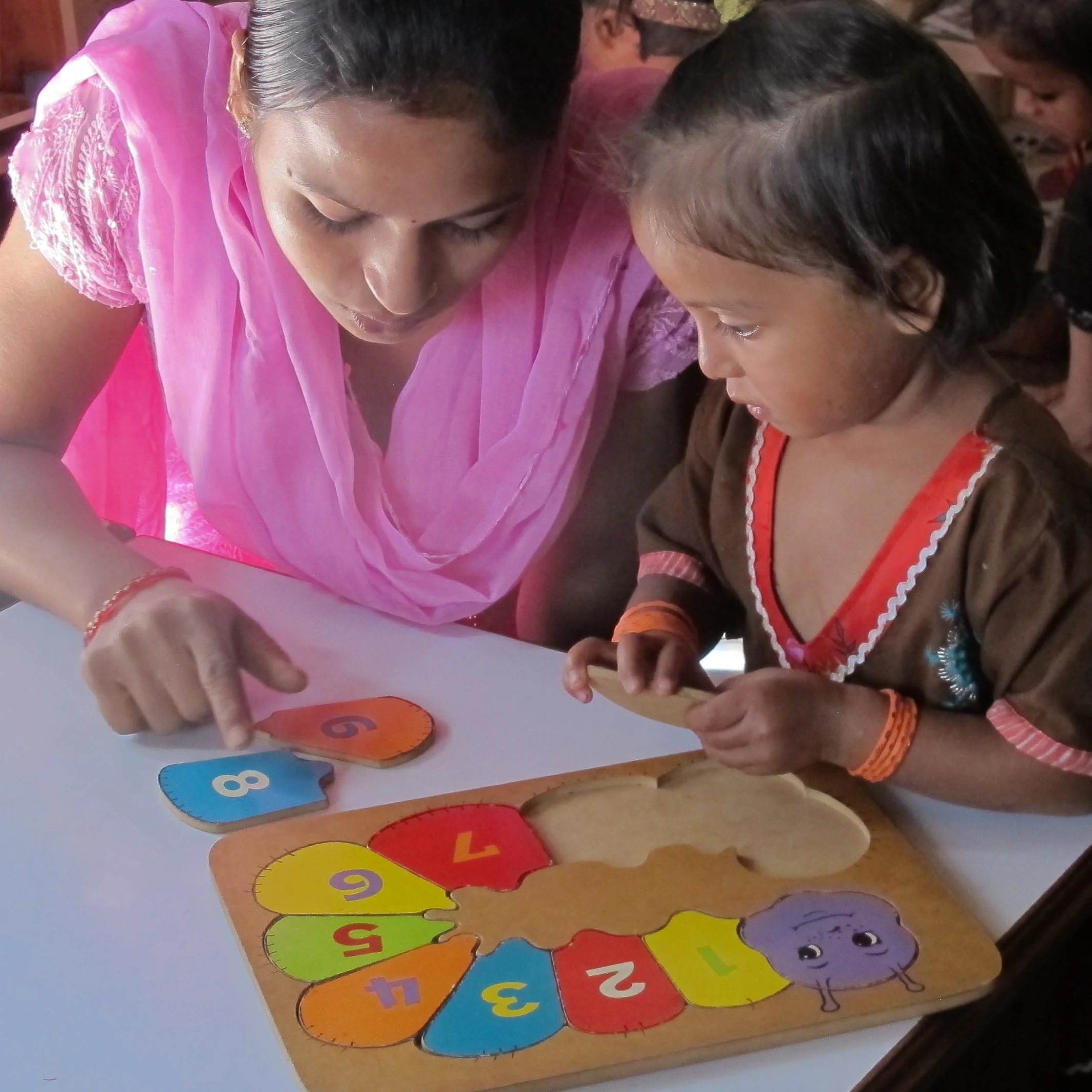

From one small classroom in Sindhupalchok district ten years ago, we’ve already expanded to 75 classrooms across three districts in rural Nepal. Our methods are now being sought by schools and other aid organisations, who all recognise as we do the importance of quality education for improving the dire situation in Nepal’s rural communities.


Quality education can empower the next generation of rural Nepali children to take their future into their own hands, to create their own opportunities, and to break free of the cycle of poverty.
Learn more about our training methods, our projects, and our story. Or find out how you can help us to make a difference here.