On 26 August, a sudden and devastating flash flood entered Nepal through the Bhote Koshi River in Rasuwa and surged downstream along the Trishuli River corridor, affecting communities in Nuwakot and beyond. Homes, livelihoods and vital infrastructure were damaged, and many families suffered devastating loss.
First Steps Himalaya works close to this area through our local partner, First Steps Nepal. While our project schools were not in the worst‑hit zone, the disaster has brought home more sharply than ever why our long‑term work across rural Nepal matters.
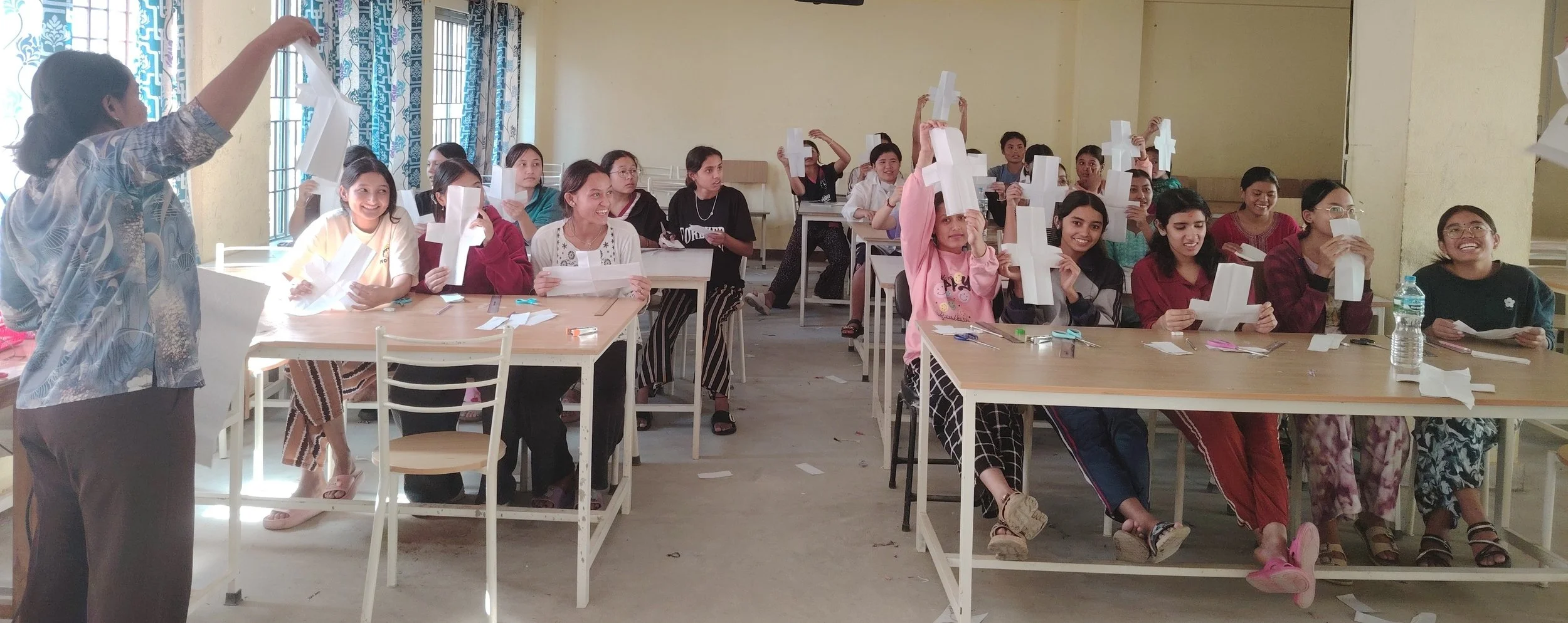
Above: Our First Steps Nepal trainer running a menstrual hygiene and pad making workshop at Trishuli High School in 2025 before it was destroyed in the flooding.
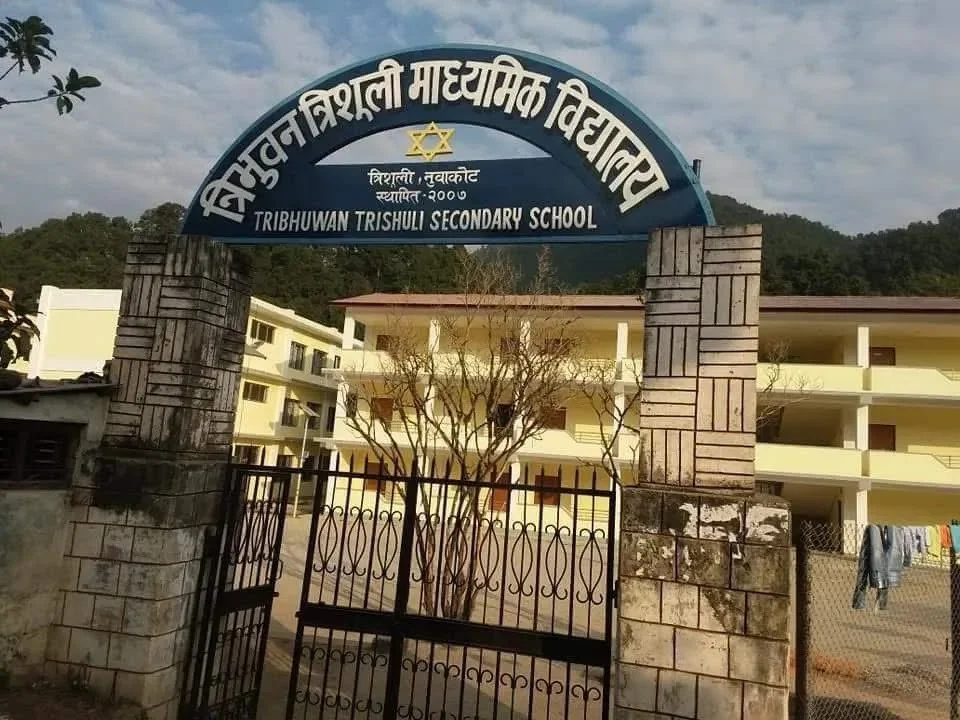
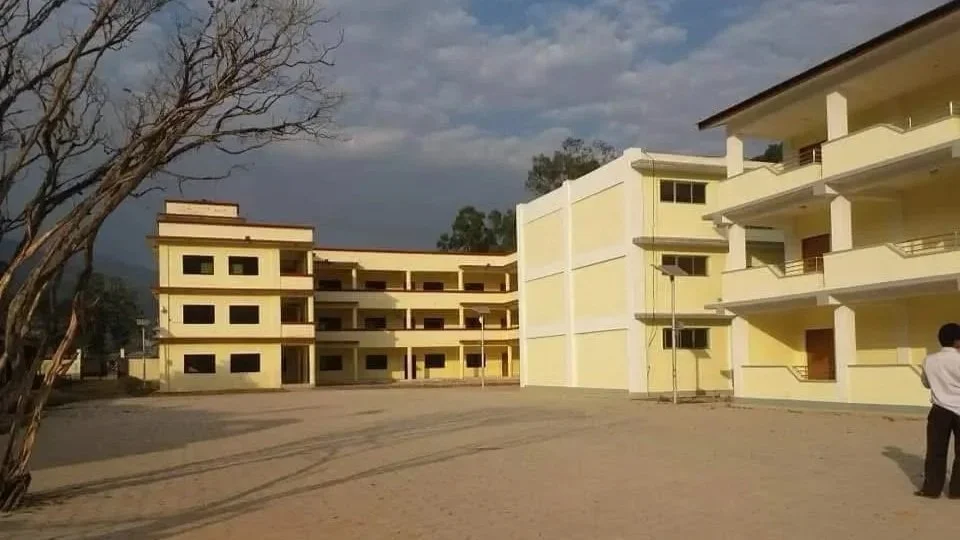
Above: Photographs of Trishuli High School, before the floods. The school has now gone.
When the flood hit, the head teacher at Trishuli High School acted quickly. He recognised the danger, gave clear instructions, and moved children and staff to higher ground. His decisions in those critical moments helped save lives.
That kind of calm, informed leadership is exactly what can make the difference in a sudden disaster. It’s also what our long‑term work aims to strengthen: local people who know their communities, understand the risks, and feel confident to act.
This year’s Annual Appeal is inspired by what we’ve seen in Nuwakot, and we plan to focus our work in Nuwakot and Sindhupalchok in the coming year. Your gift will support First Steps Himalaya’s programmes across rural Nepal and the essential costs of keeping the charity running. That allows us to maintain our small team and partnerships on the ground, and direct support to the communities and programmes that need it most.
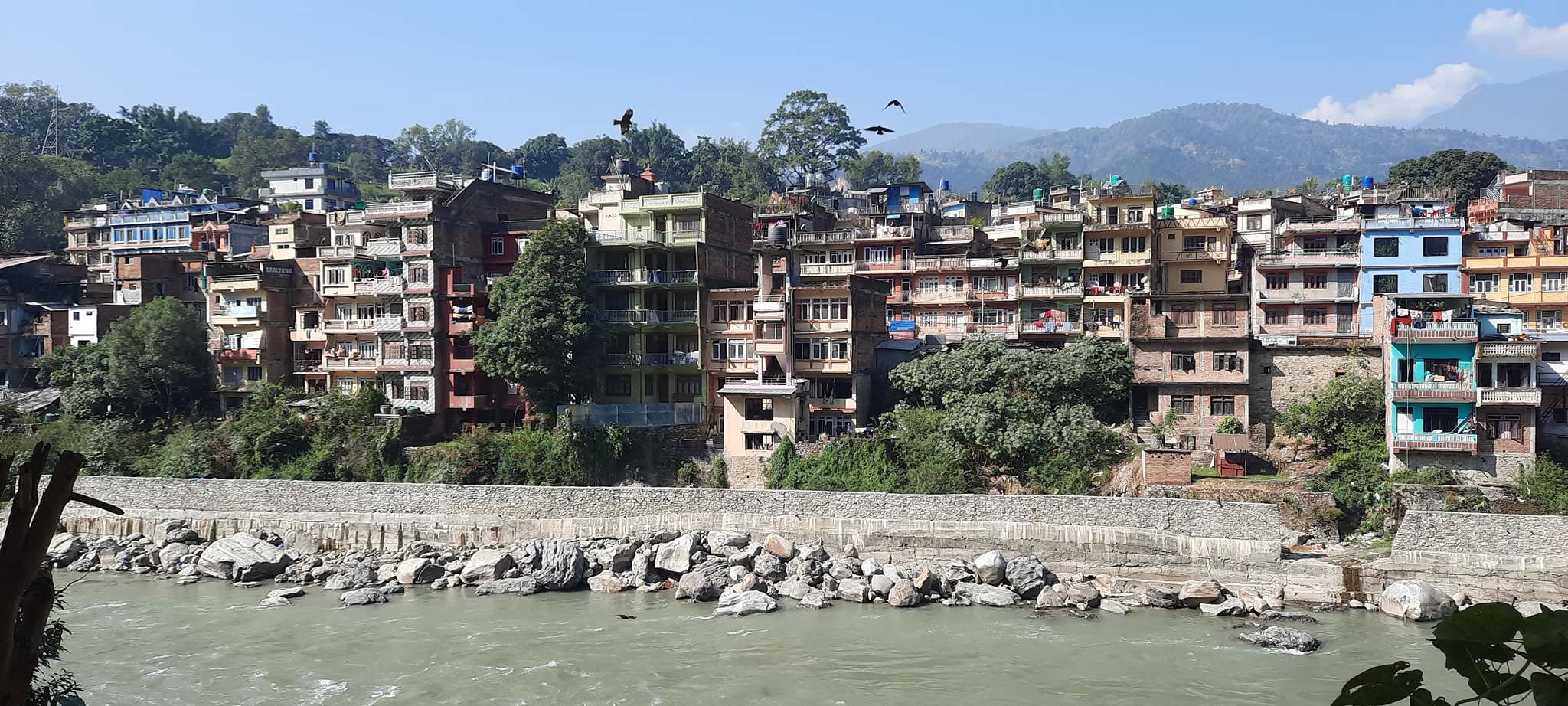
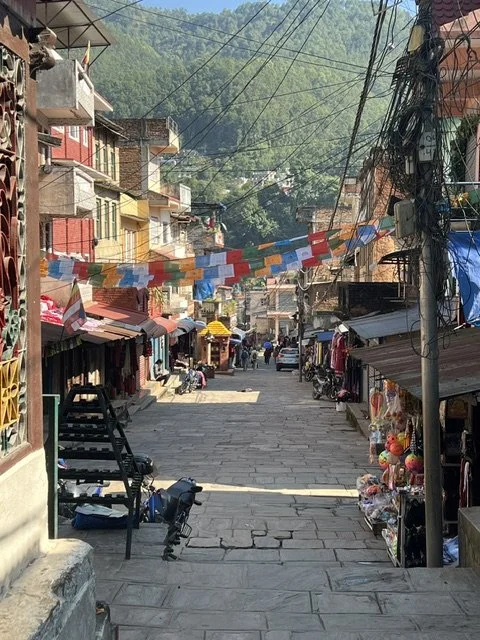
Above: Photographs taken by volunteers of Trishuli Bazaar prior to the floods. Much of what you can see will now be gone.
Education means hope, potential and opportunities through learning.
This year, your support will help us:
Strengthen leadership training, so more teachers and community leaders have the confidence and judgement to make fast, right decisions in an emergency.
Expand our Safe Steps programme to include practical disaster‑readiness skills: recognising danger, knowing evacuation routes, and knowing how to move younger children and elderly relatives quickly and safely.
Continue our core work in teacher training and menstrual hygiene education – the everyday programmes that remain vital to children’s wellbeing in rural Nepal, disaster or no disaster.
Cover essential running costs, so we can maintain our small team and trusted local partnerships and direct support where it is most needed.
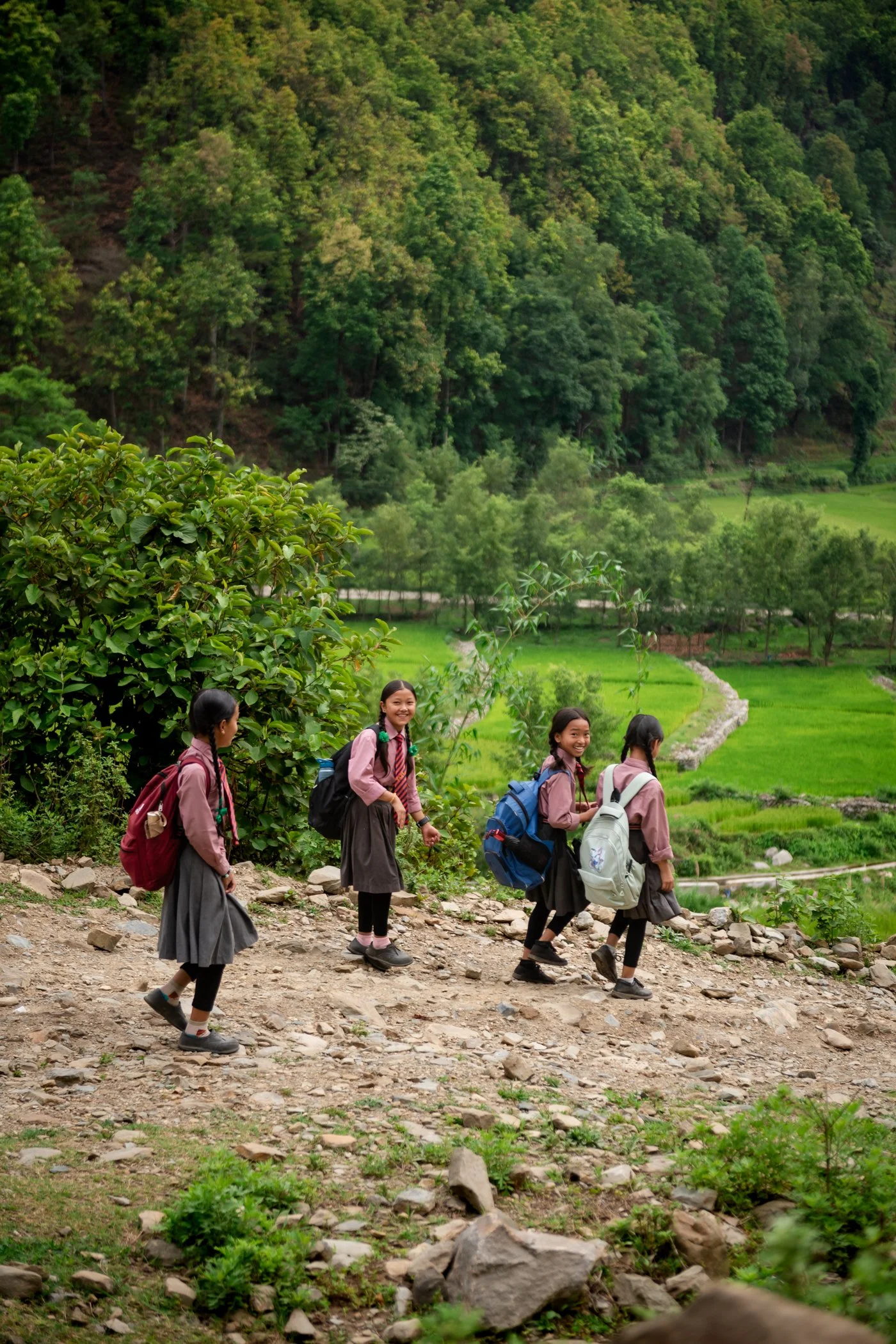
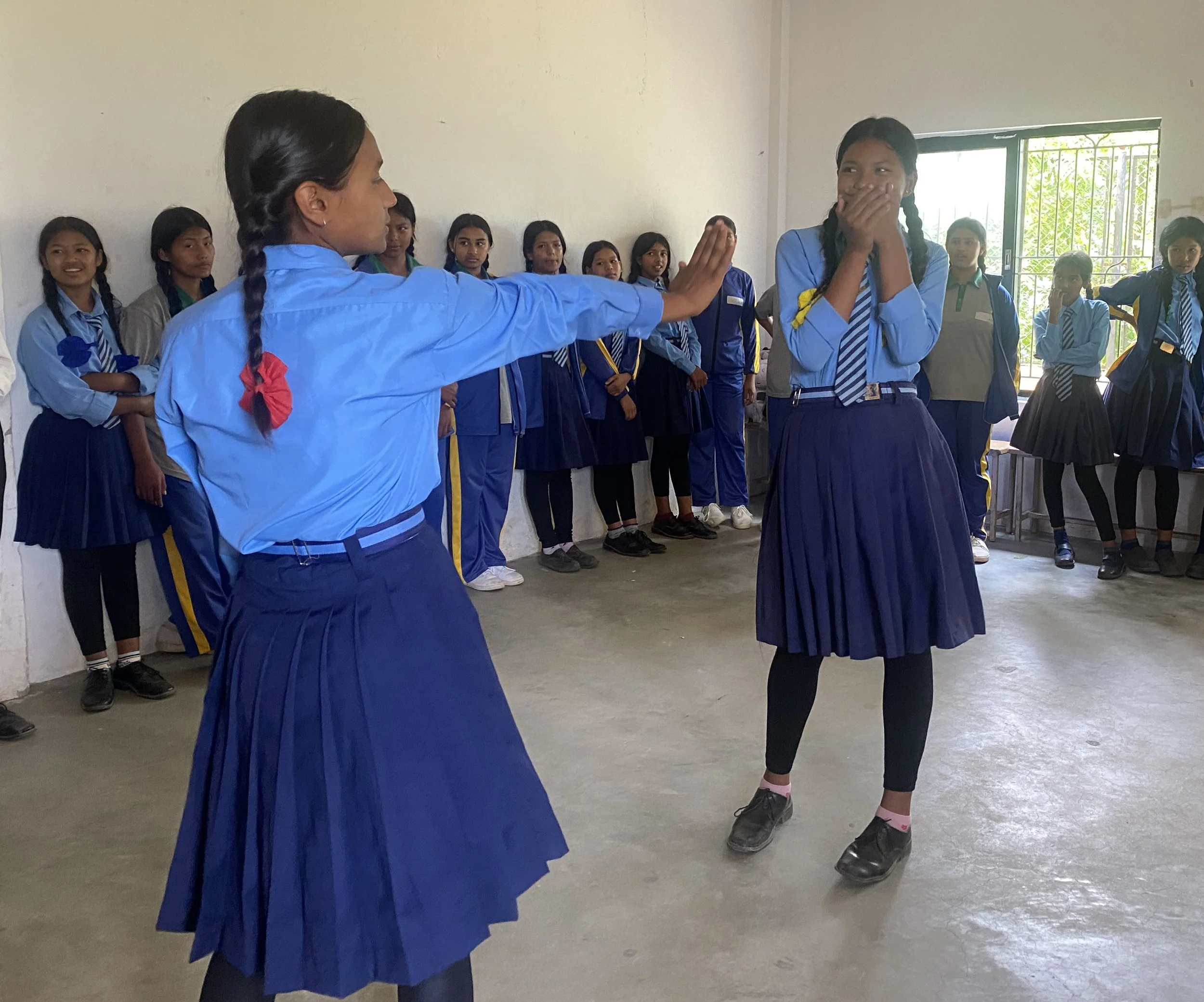
Above left: School girls in Nuwakot head to secondary school from their villages above. Right: Our Safe Steps programme teaches children to keep themselves safe but will now include how to react in emergency situations.
The emergency response now under way in Nuwakot is being led, rightly, by the Nepal Police, Army and major aid organisations. It is far beyond anything FSH could take on directly. Our role has always been different: we build relationships, we stay, and we help communities become better prepared for whatever comes next.
FSH has been working in Nuwakot since 2018, including in communities very close to the Bidur–Trishuli area, and has programmes in other rural districts of Nepal. Before this disaster, it was a part of Nepal that had received relatively little attention from aid agencies. Thanks to supporters like you, we’ve been able to build the relationships and local knowledge that let us respond to what communities actually need – not just this year, but for years to come.
Can you help us improve the lives of children in rural Nepal through education?
Donate to our annual appeal now
Thank you for standing with FSH, First Steps Nepal and the communities we work alongside.