School Fundraising for Nepal
A simple way for your school to transform children's lives in rural Nepal.
Quick overview
Raise funds through a simple activity at your school. We'll provide optional resources to help pupils understand the impact of their support. No ongoing commitment required.
How it works
Choose an activity: Mufti day, bake sale, sponsored walk, or any fundraising idea that suits your school.
Optional learning: Use our simple webpage to share a day in the life of a child in rural Nepal.
Donate: Send your raised funds through our secure online giving page.
See the impact: We'll thank you and share how our projects are progressing.
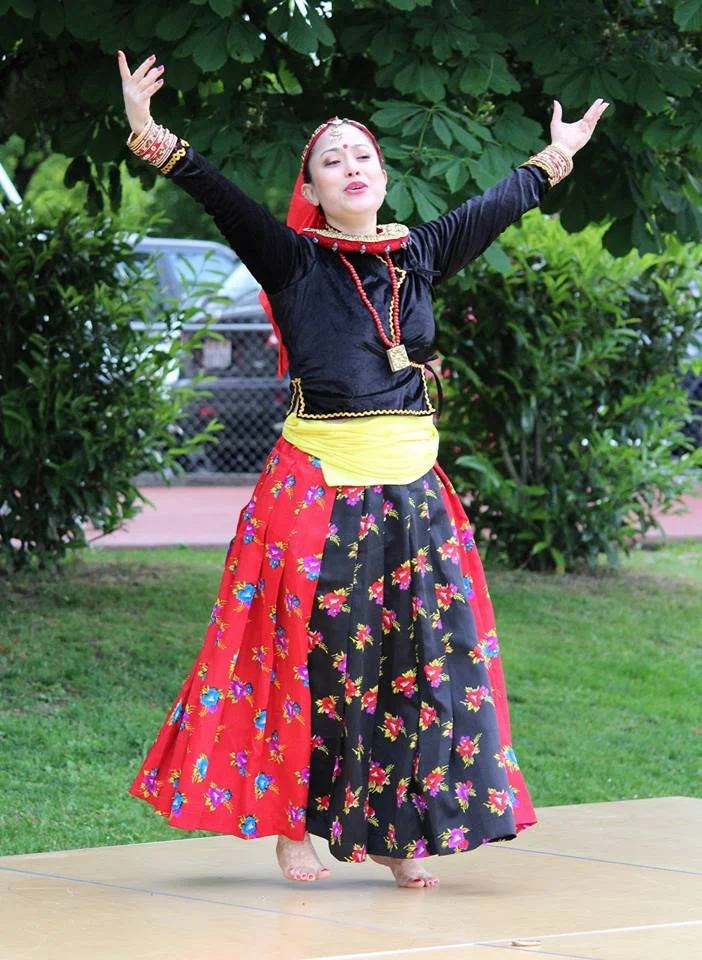
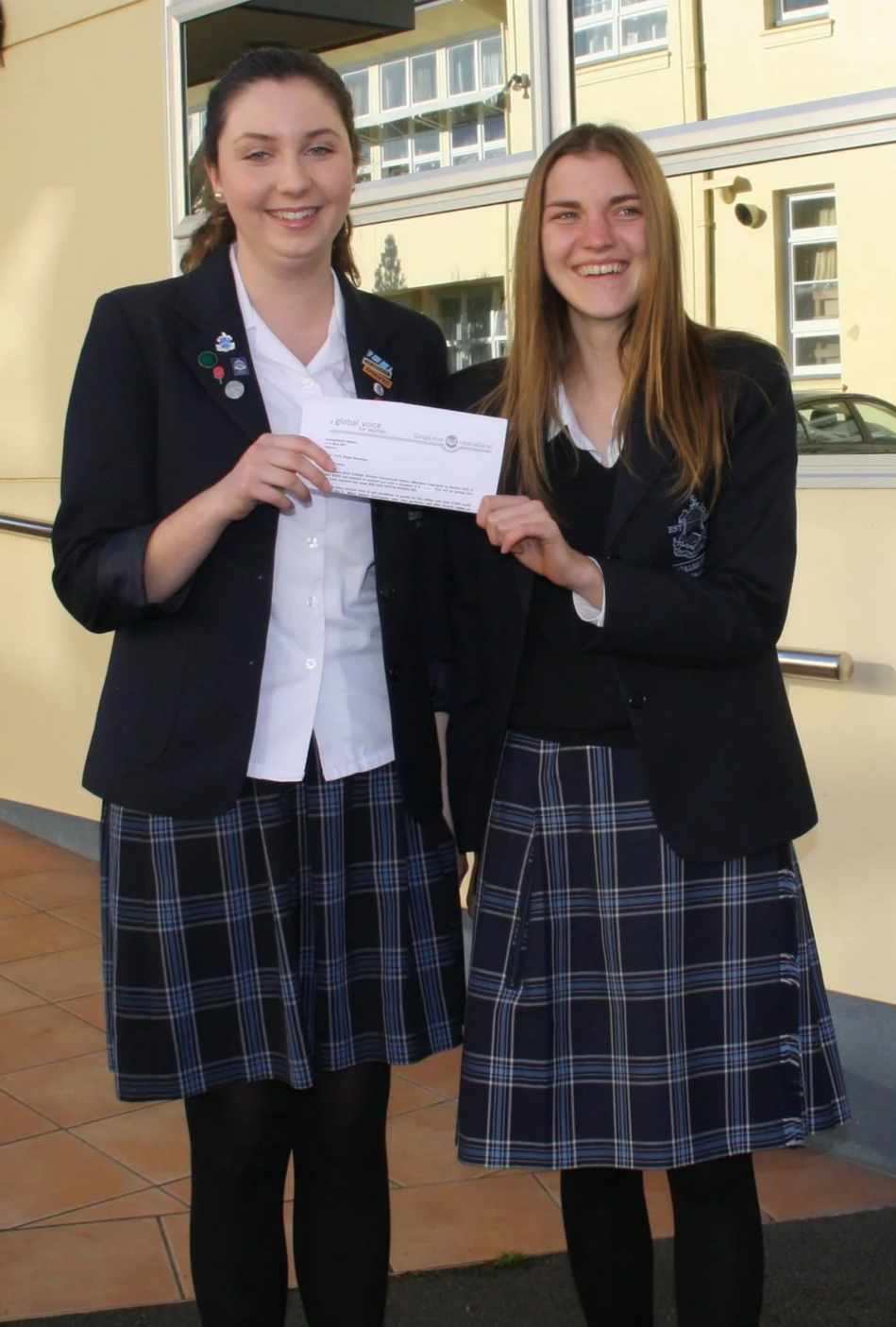

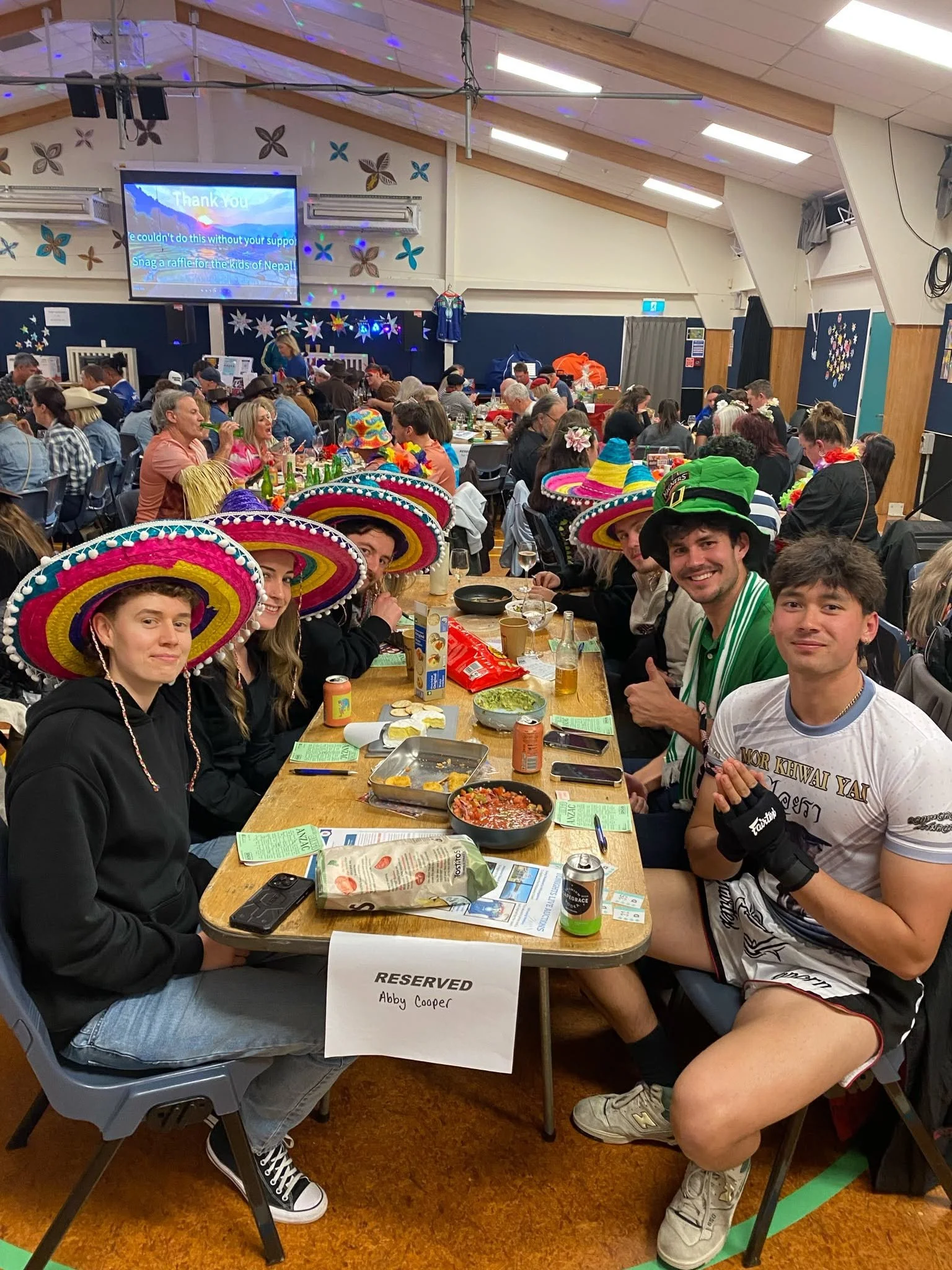
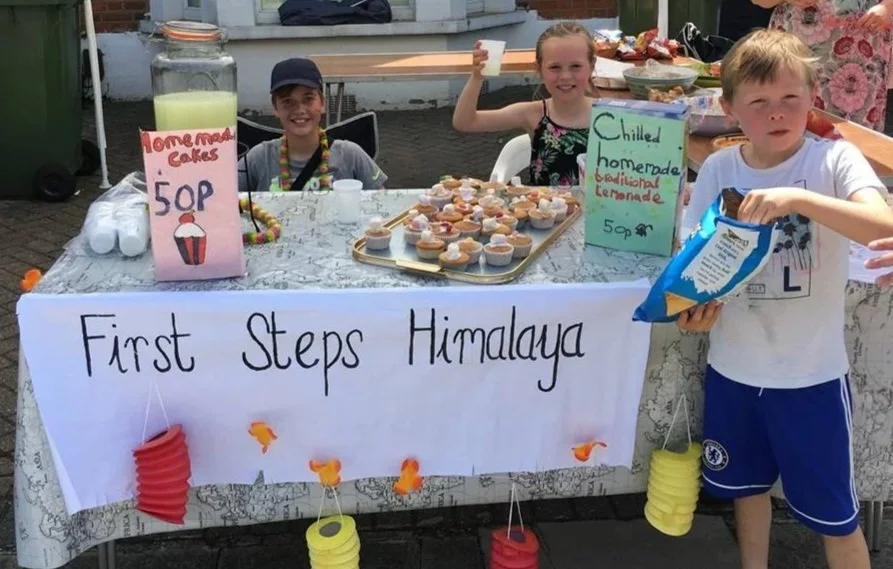
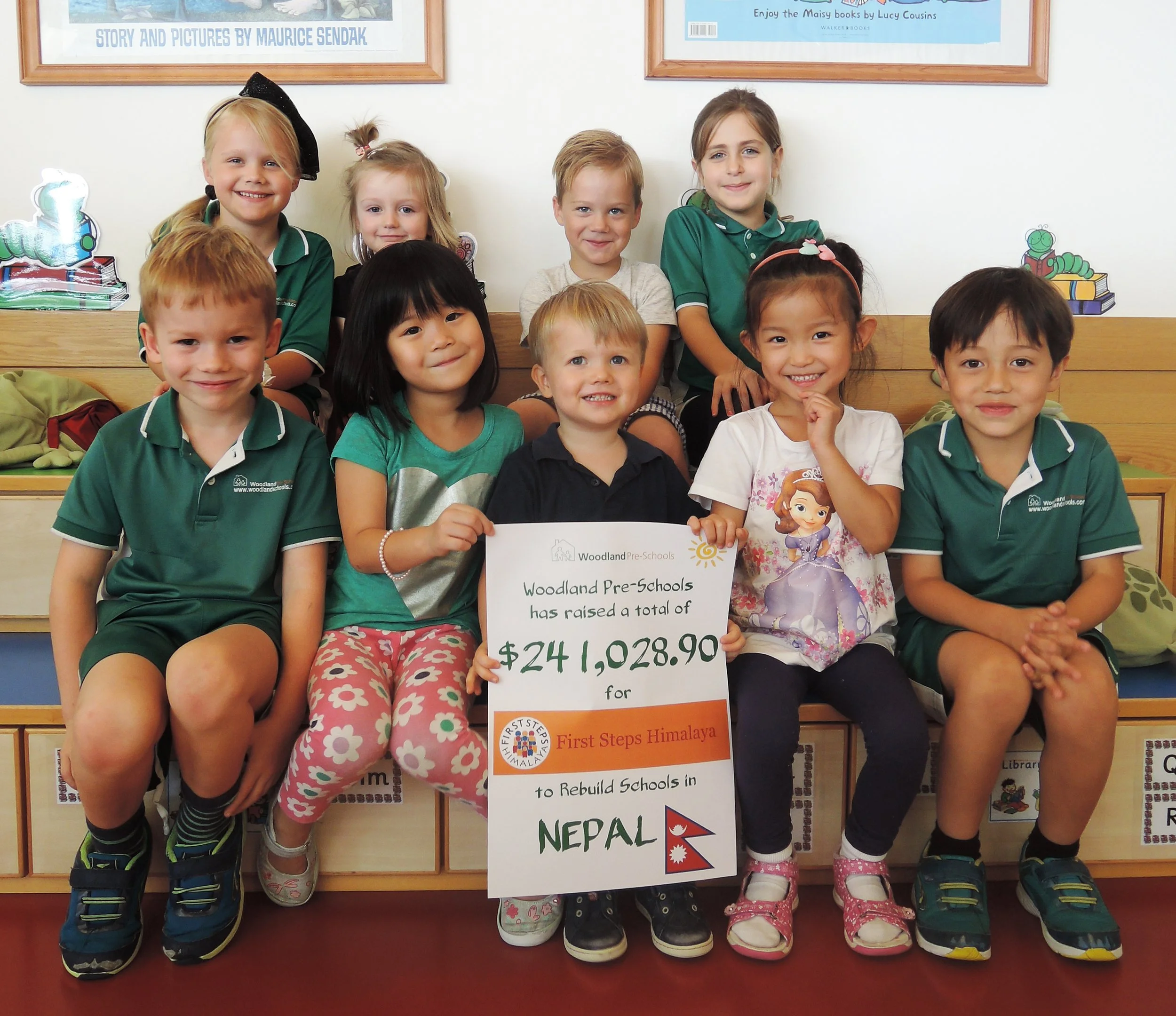
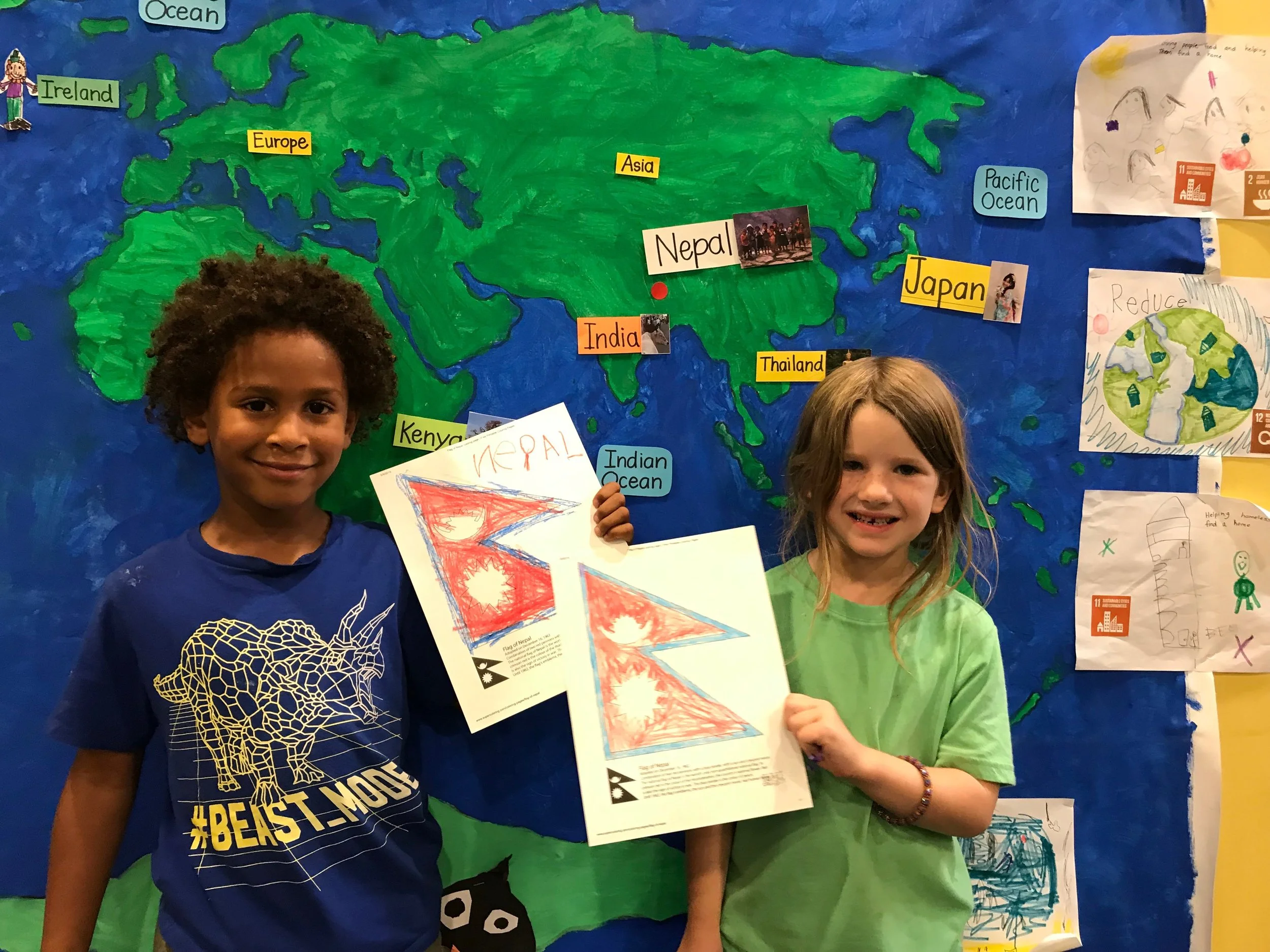
Wherever you are in the world, you can show your support for Nepal through First Steps Himalaya. Pictured above and below: Fundraisers in Switzerland, New Zealand and Hong Kong


Why schools choose First Steps Himalaya
Why schools choose First Steps Himalaya
Minimal effort: No pressure for ongoing partnerships or complex activities—just simple fundraising when it suits you.
Meaningful impact: Your funds help First Steps Himalaya support children's education in rural communities in Nuwakot and Sindhupalchok, Nepal.
Values‑aligned: Empowers pupils to make a real difference while learning about global citizenship and life in rural Nepal.
Flexible timing: Raise funds whenever it fits your school calendar; there is no fixed campaign window.
Your impact: Even small amounts can help us make a difference.
How to run your fundraising day
You can keep it very simple and do it in one day (or spread activities over a week). Choose the option that fits your age group. See below for younger children.
Ready to get started?
Learn about life in Nepal
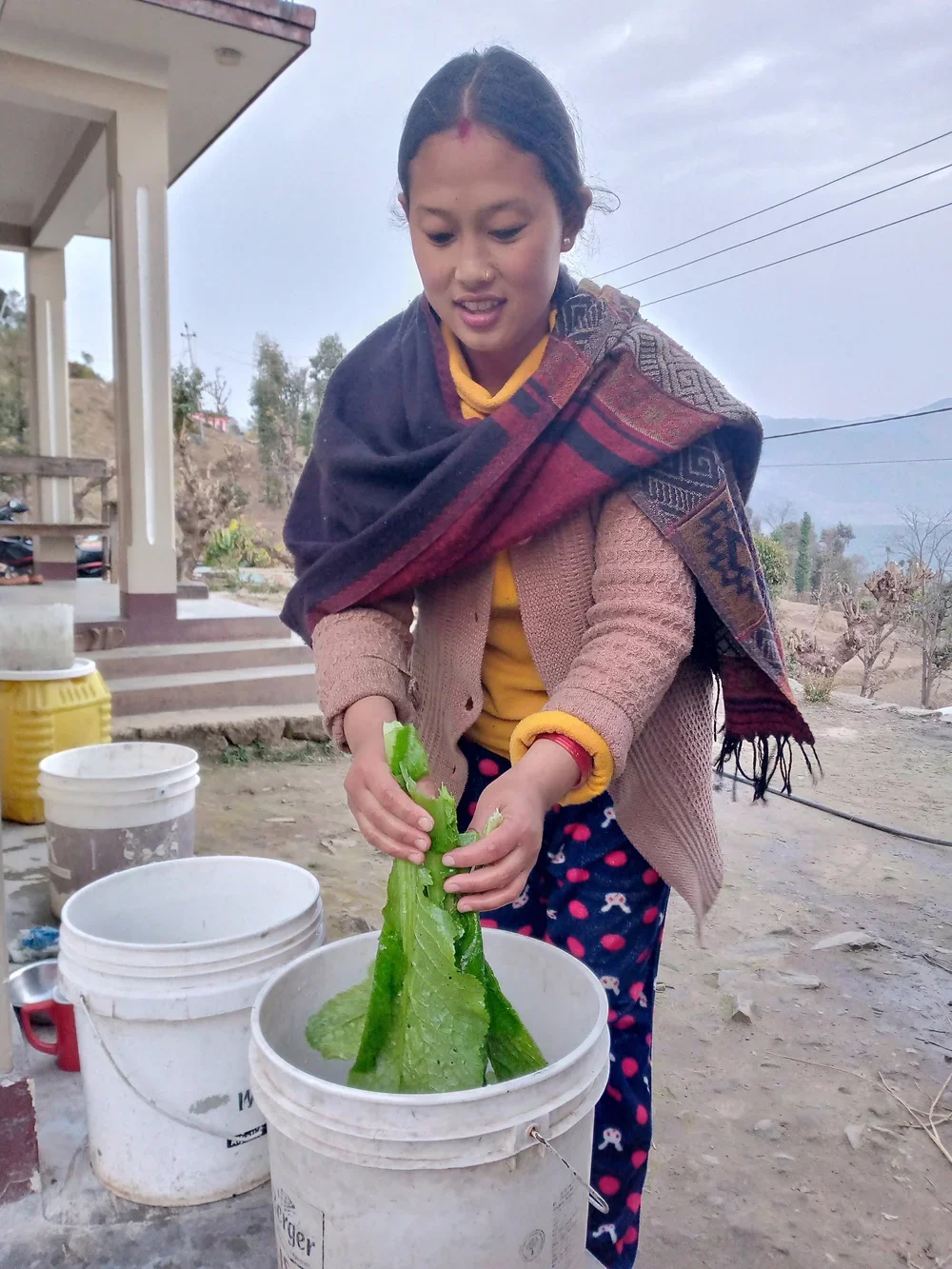
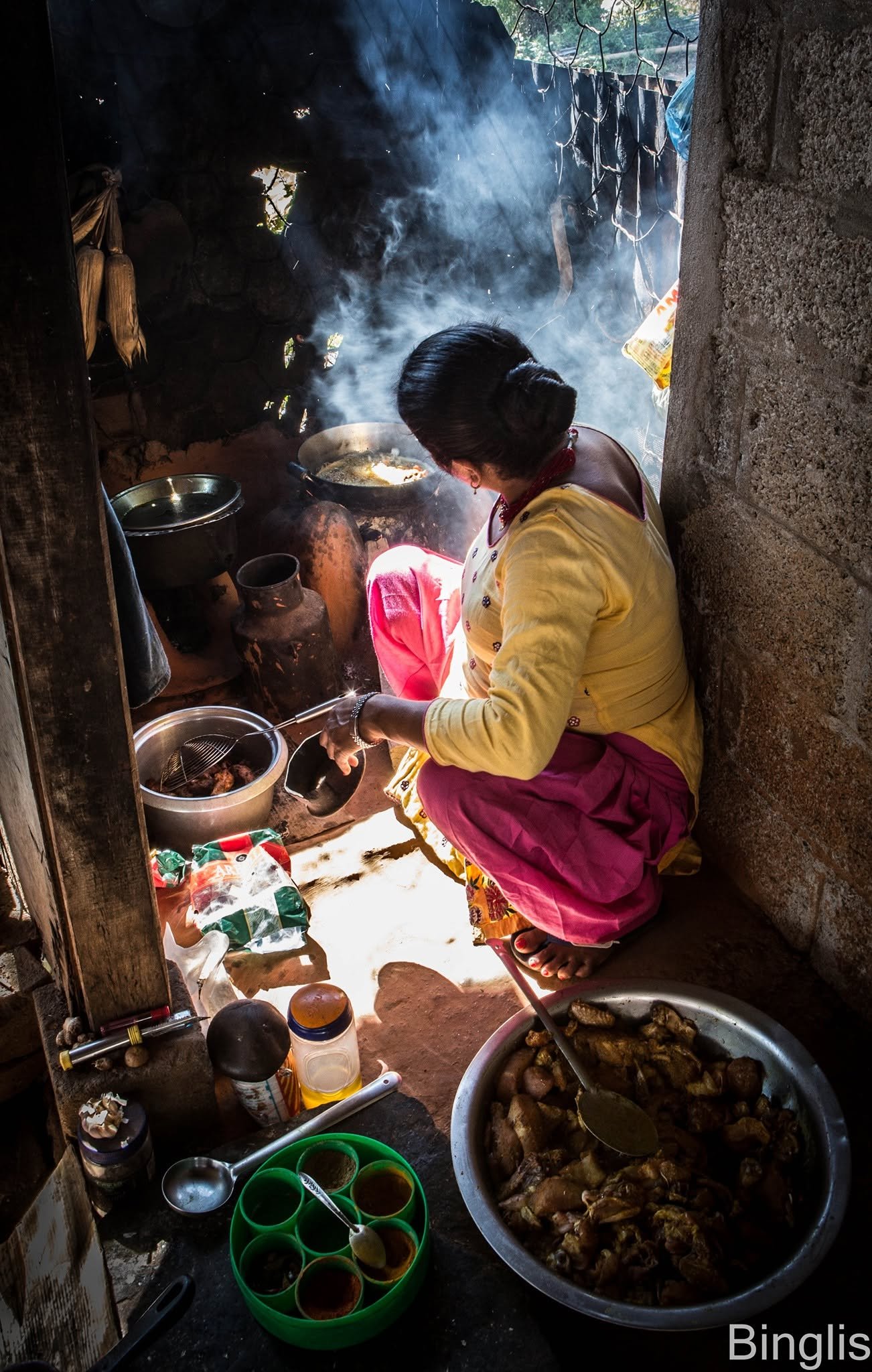
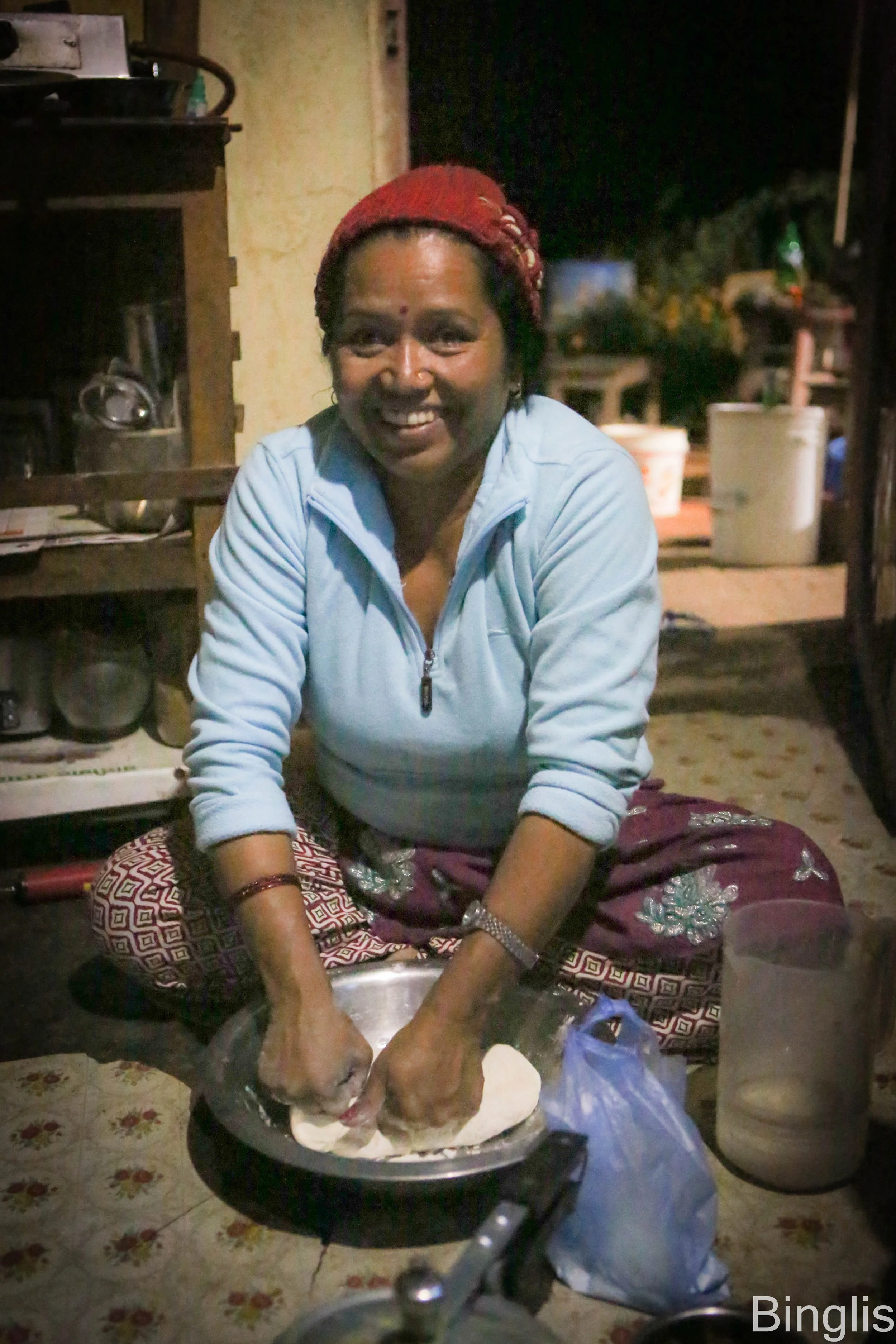
A day in the life of a teenage schoolchild in rural Nepal
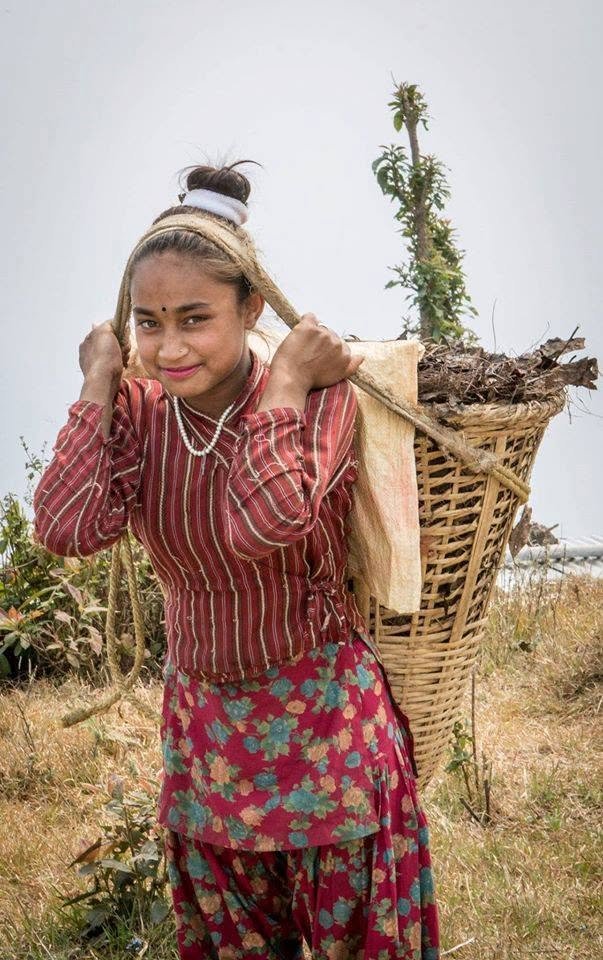
Many children and teens in rural Himalayan communities face long journeys to school, limited resources, and barriers to education. Girls often face extra challenges, but your support helps all children stay in school and learn.
5:30 AM Wake up, help with morning chores and younger siblings.
7:30 AM Finish homework.
8:00 AM Help mother prepare breakfast. This may be over an open fire unless the family has bottled cooking gas.
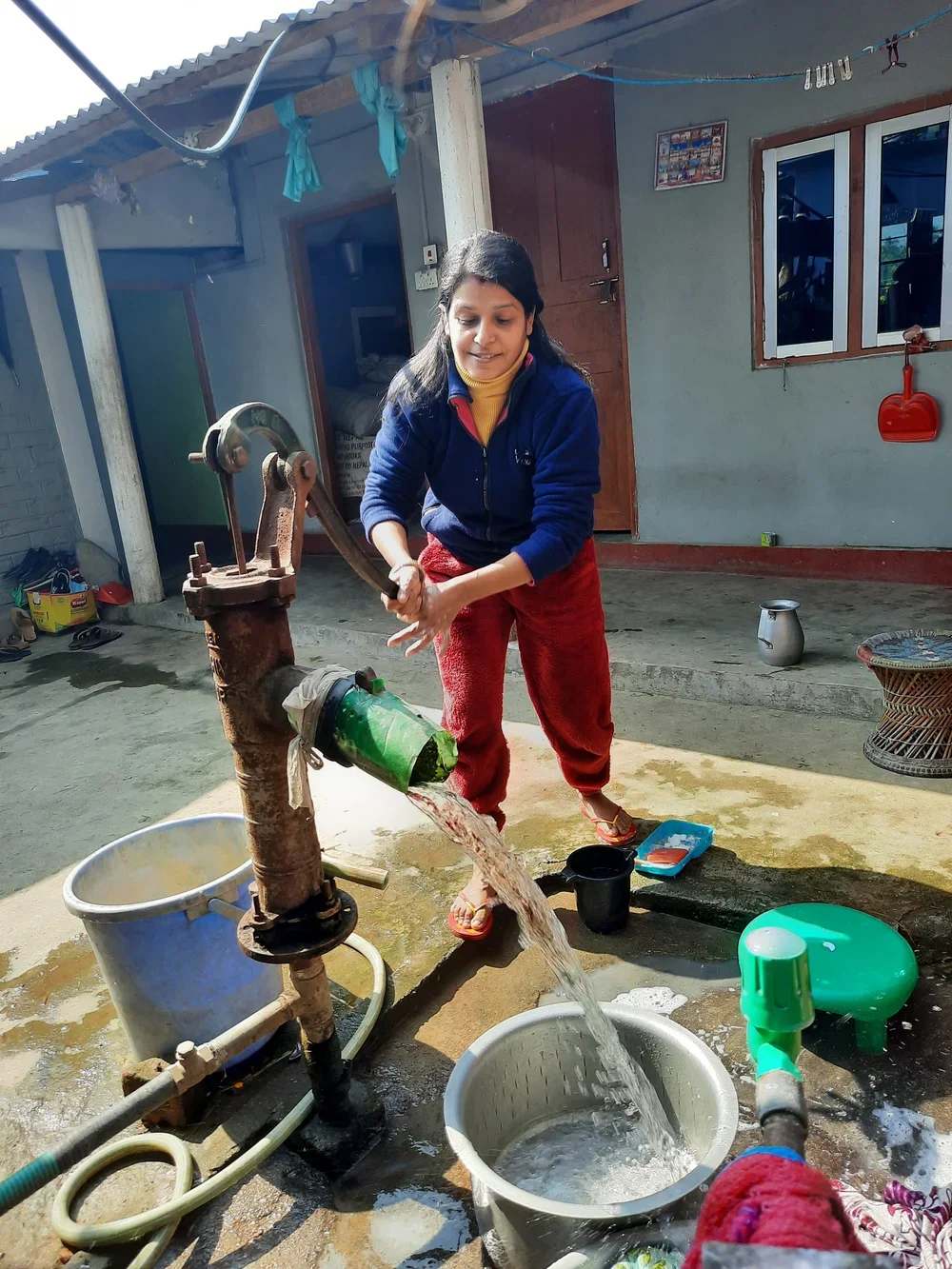
8:45 AM Wash face and hands (very unlikely to have a shower or hot water; toilet will be outside).
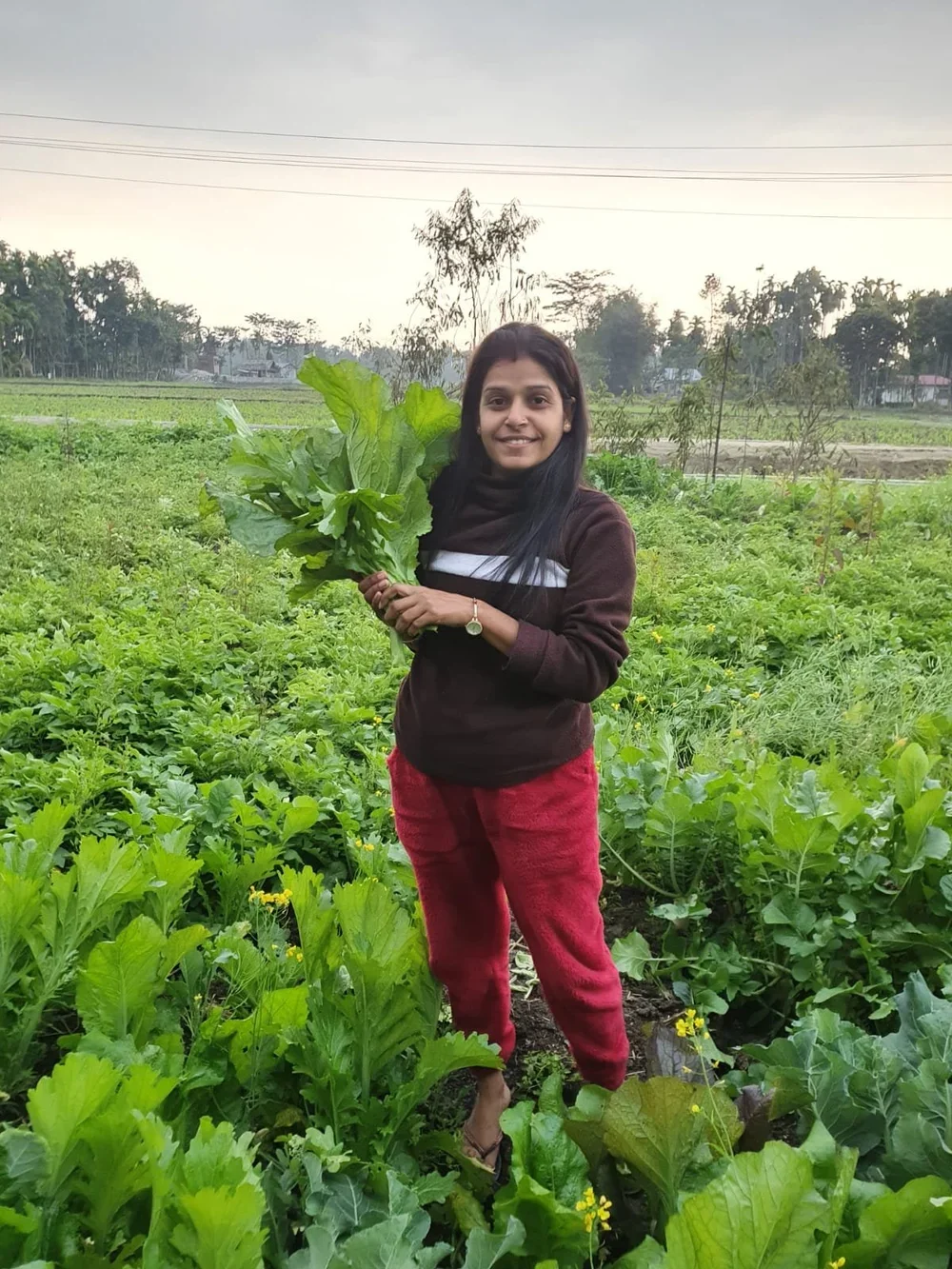
9:00 AM Eat breakfast of dal bhat (rice, vegetables and lentils).
9:20 AM Change into school uniform.
9:30 AM Walk 30 minutes to school (often on steep mountain paths).
10:00 AM–4:00 PM School day: 7 periods a day, each about 45 minutes. Subjects include Nepali, English, Mathematics, Science, Social Studies and optional subjects such as Physical Education, Computer Science or Economics.
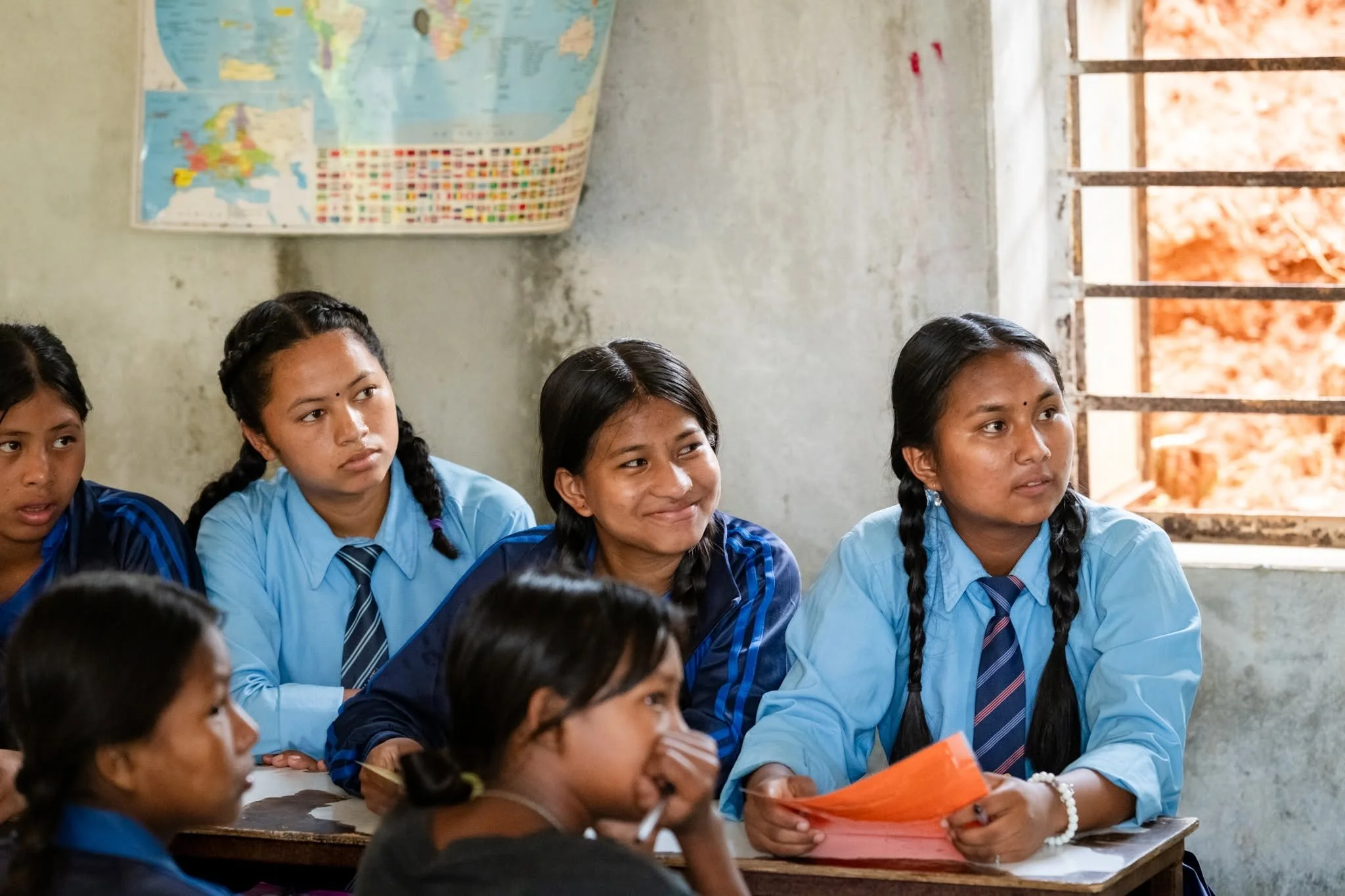
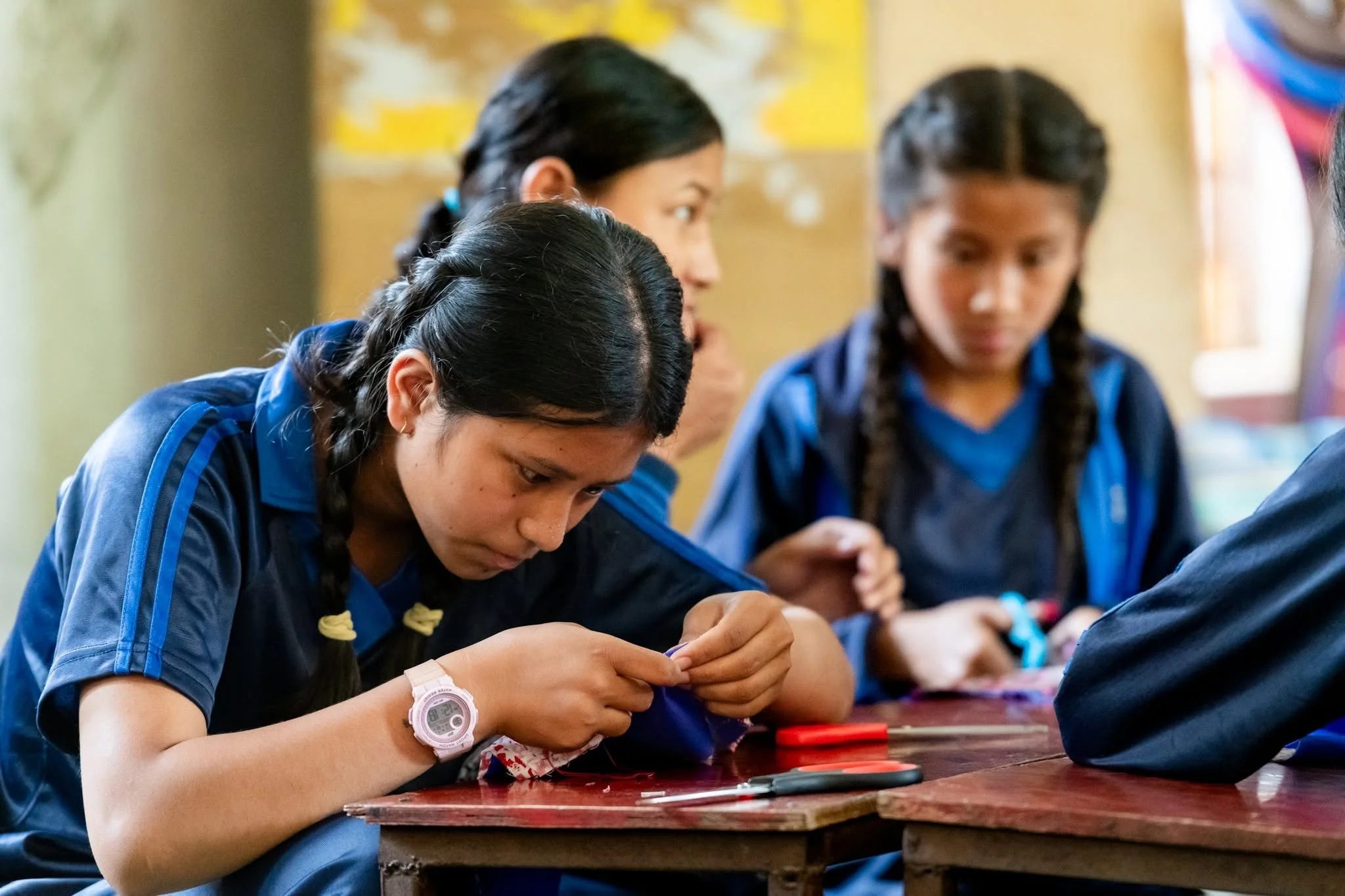
4:00 PM Return home, help with housework (could include milking a buffalo, sweeping, herding goats or cleaning the cow shed) and homework.
6:00 PM Girls help their mother prepare the evening meal.
7:30 PM Eat dinner, normally dal bhat again.
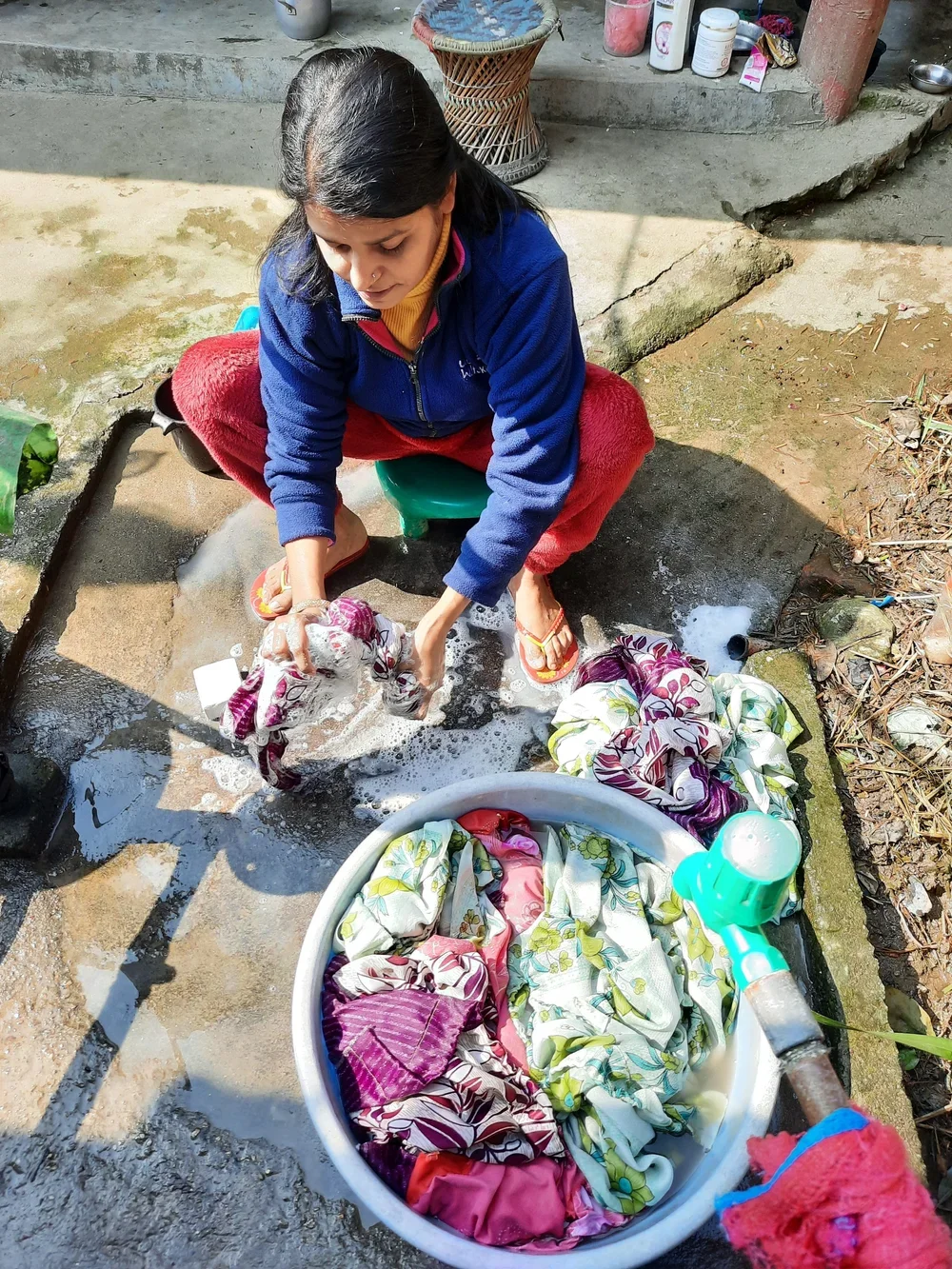
8:00 PM Wash all the dishes by hand (no kitchen sinks, internal taps or dishwashers in rural Nepal).
8:30 PM Continue with homework (if no power, by lamplight).
9:00 PM Go to bed (most children don't have their own bedroom but sleep together with siblings or parents).
And for younger children – Wishes for Nepal
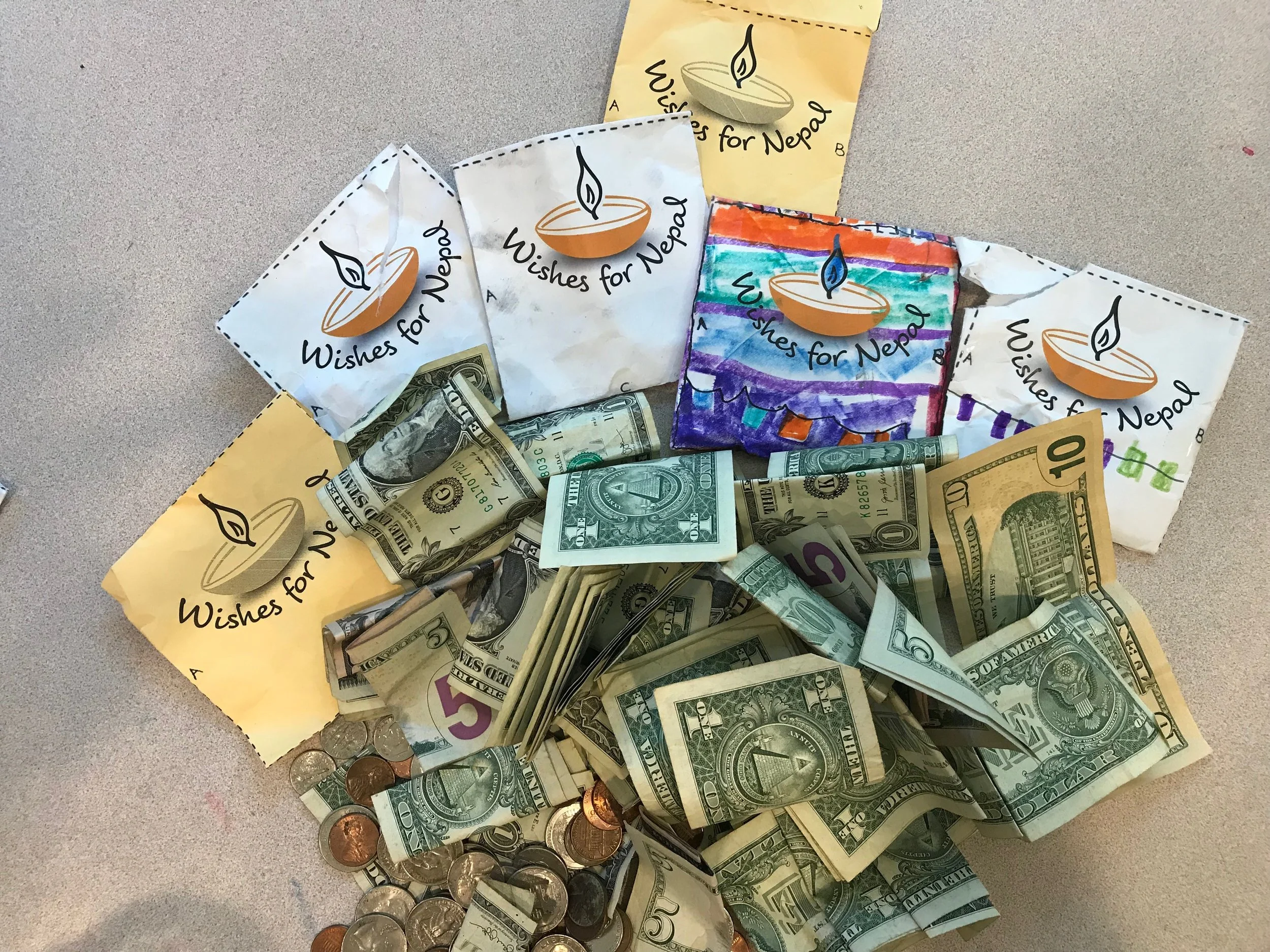
We love it when younger children get involved to help children less fortunate in Nepal. Our Wishes for Nepal programme for younger kids is a great way of supporting us.
We have a page of ideas for teachers to use in class with younger children.