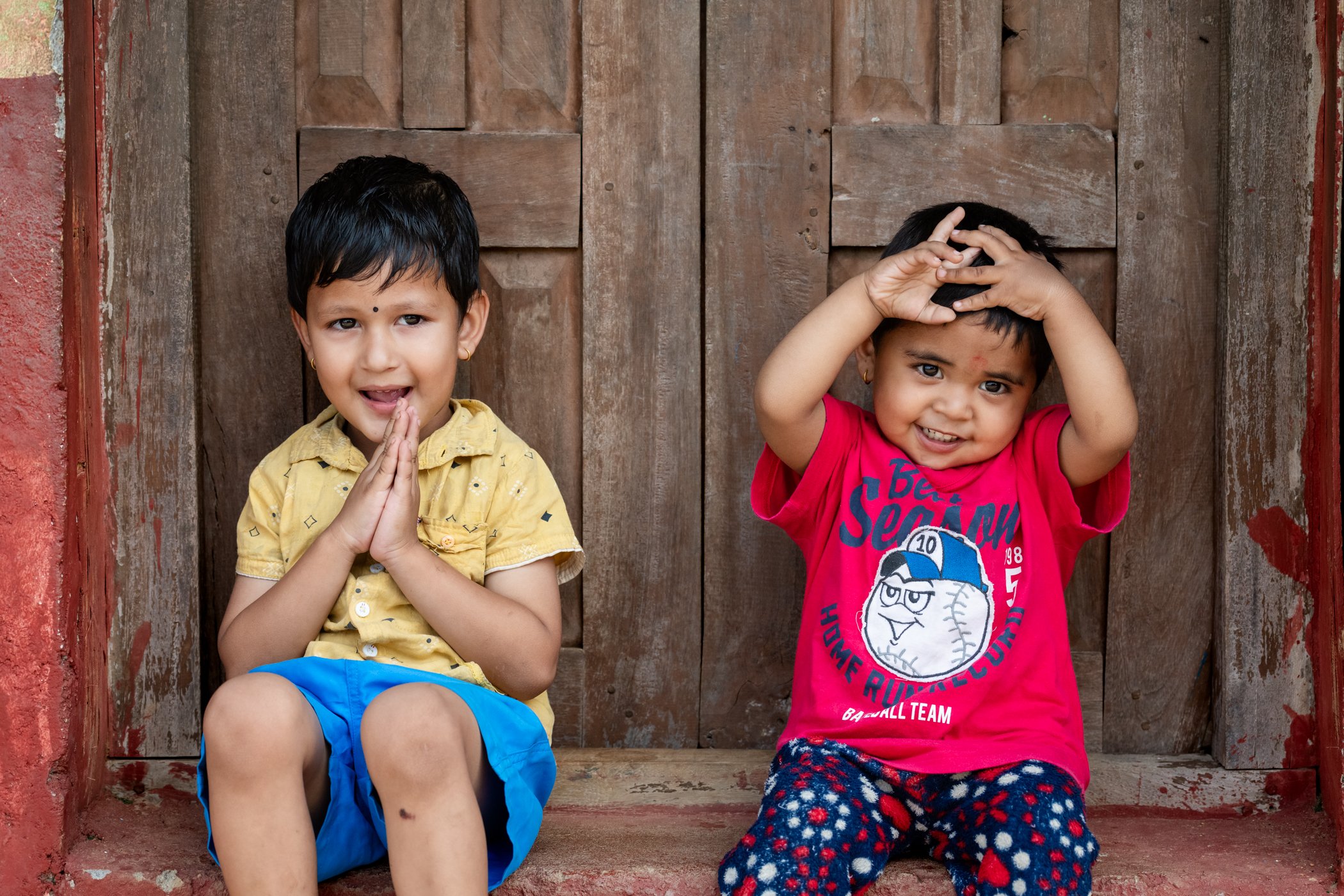
.At First Steps Himalaya, we believe that a child's future is shaped not only in the classroom but also within the family and the wider community. Community education plays a vital role in our programme of empowering parents, caregivers, and local leaders with the knowledge and skills needed to support children's healthy growth, safety, and learning.
When communities are informed and engaged, children thrive. Through community education and awareness programmes, we can create environments where every child has the opportunity to reach their full potential.
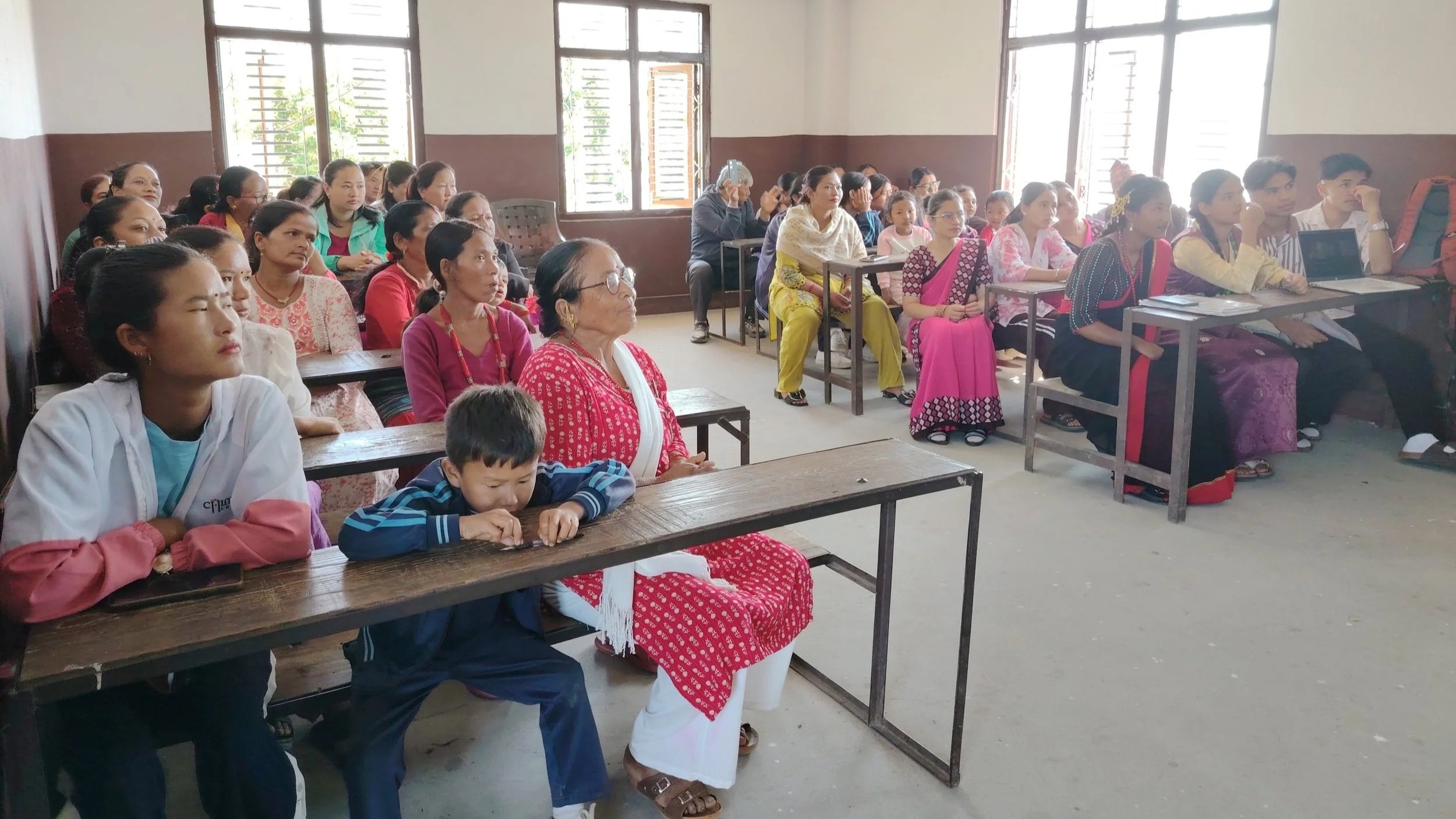
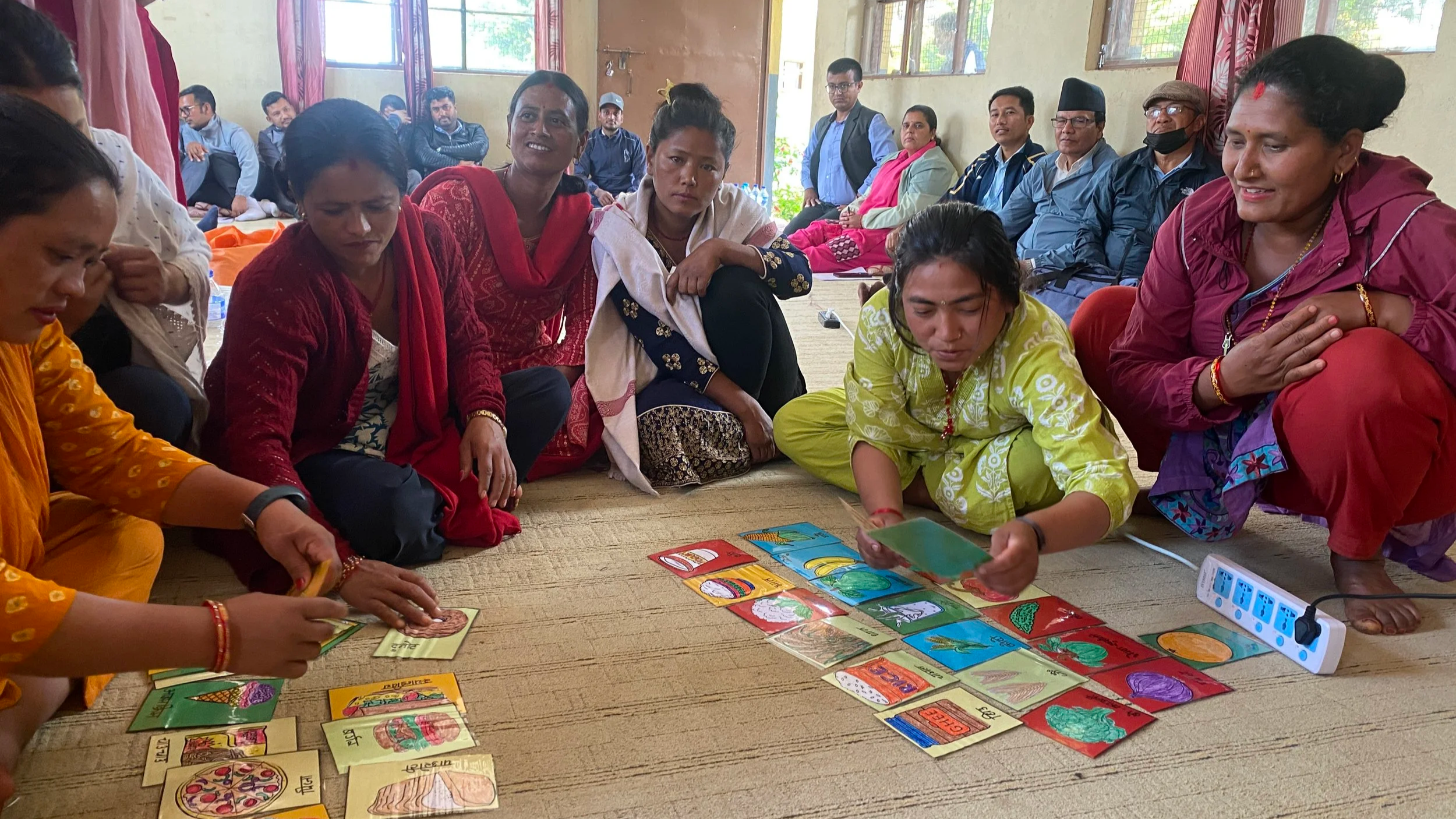
Good nutrition is essential for a child's physical growth, brain development, and overall well-being. Children who receive balanced and nutritious meals are more likely to perform better in school, have stronger immune systems, and develop healthy habits that last a lifetime.
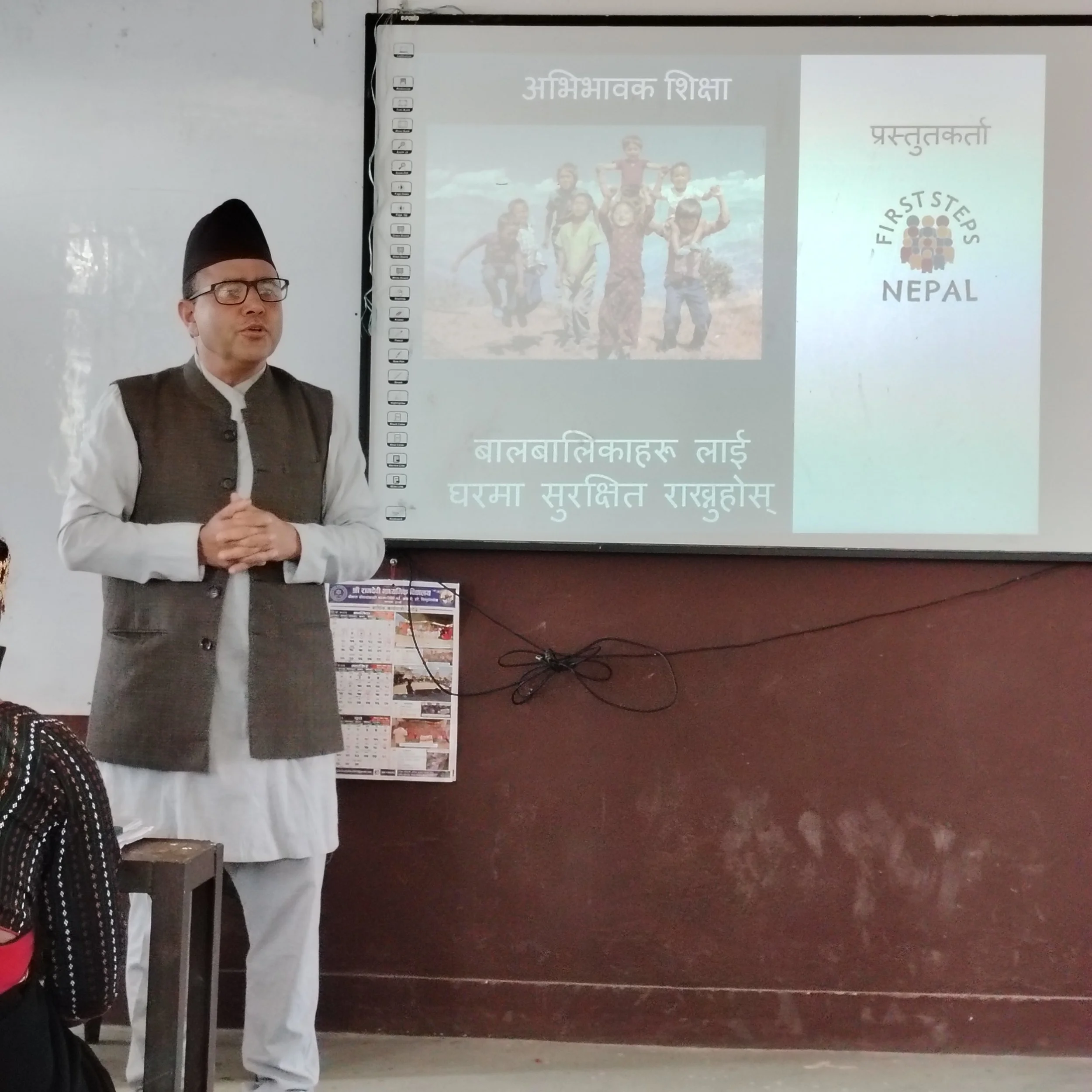
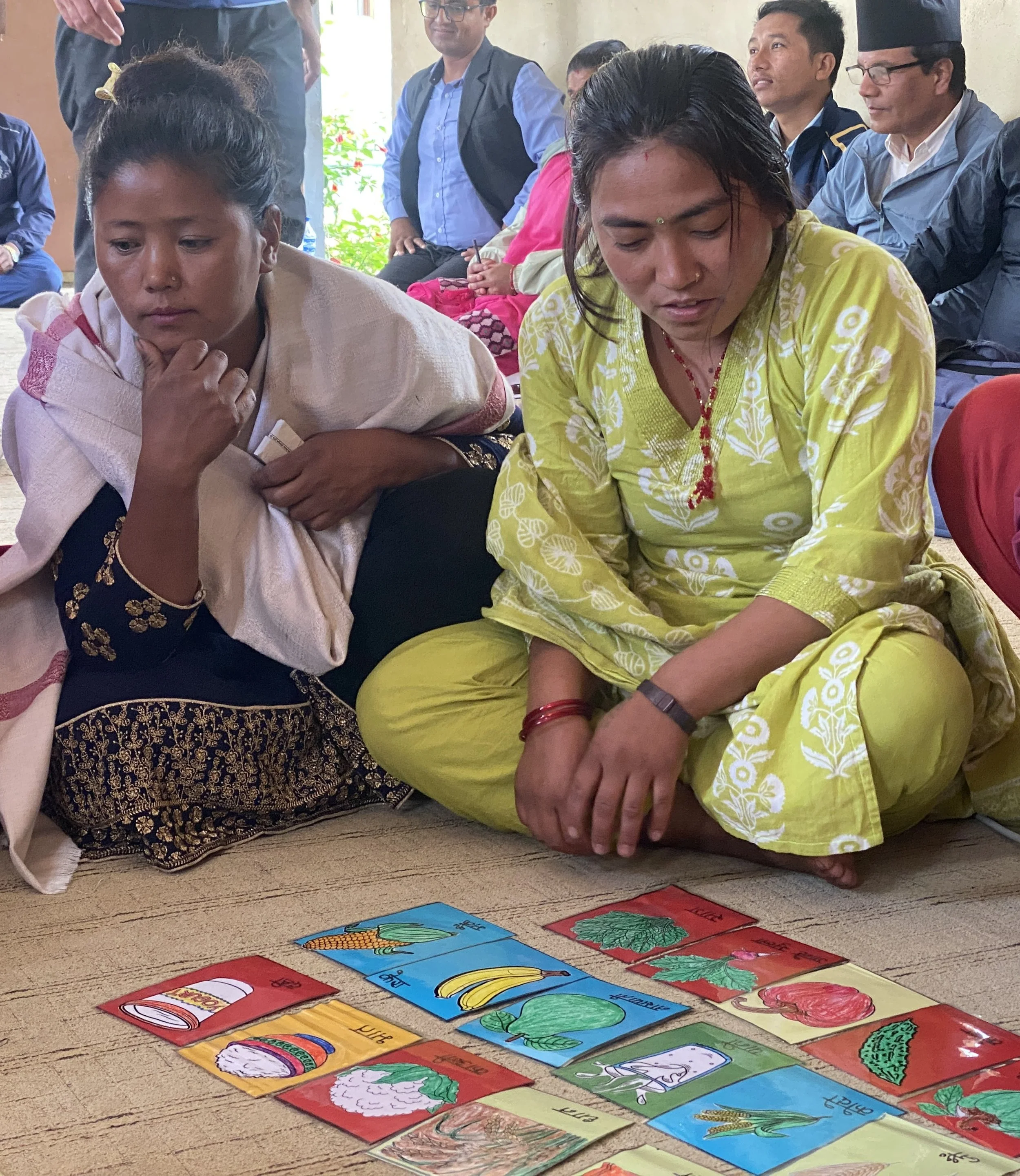
However, many families face challenges related to limited nutrition awareness and access to affordable healthy foods. In some cases, this can lead to reliance on low-cost processed foods such as instant noodles and packaged snacks, which are filling but do not provide the essential nutrients children need for healthy growth and development.
Community education programmes can help parents understand:
The importance of balanced diets for growing children
Essential nutrients needed during early childhood
Healthy meal planning for growing families
Safe food preparation and hygiene practices
The long-term benefits of proper nutrition
By equipping families with practical knowledge, communities can help reduce malnutrition and support healthier childhood development.

Child Safety: Creating Secure Environments for Children
Every child deserves to grow up in a safe and protective environment. Child safety extends beyond physical protection. It includes emotional well-being and protection from abuse, neglect, and exploitation.
Community education helps raise awareness about:
Child protection and safeguarding practices
Recognising signs of abuse or neglect
Injury prevention at home and in public spaces
Building supportive and respectful relationships
When parents, teachers, and community members understand their role in protecting children, they become active advocates for child welfare. A well-informed community is often the first line of defense in keeping children safe.
The Role of Parents in a Child's Education
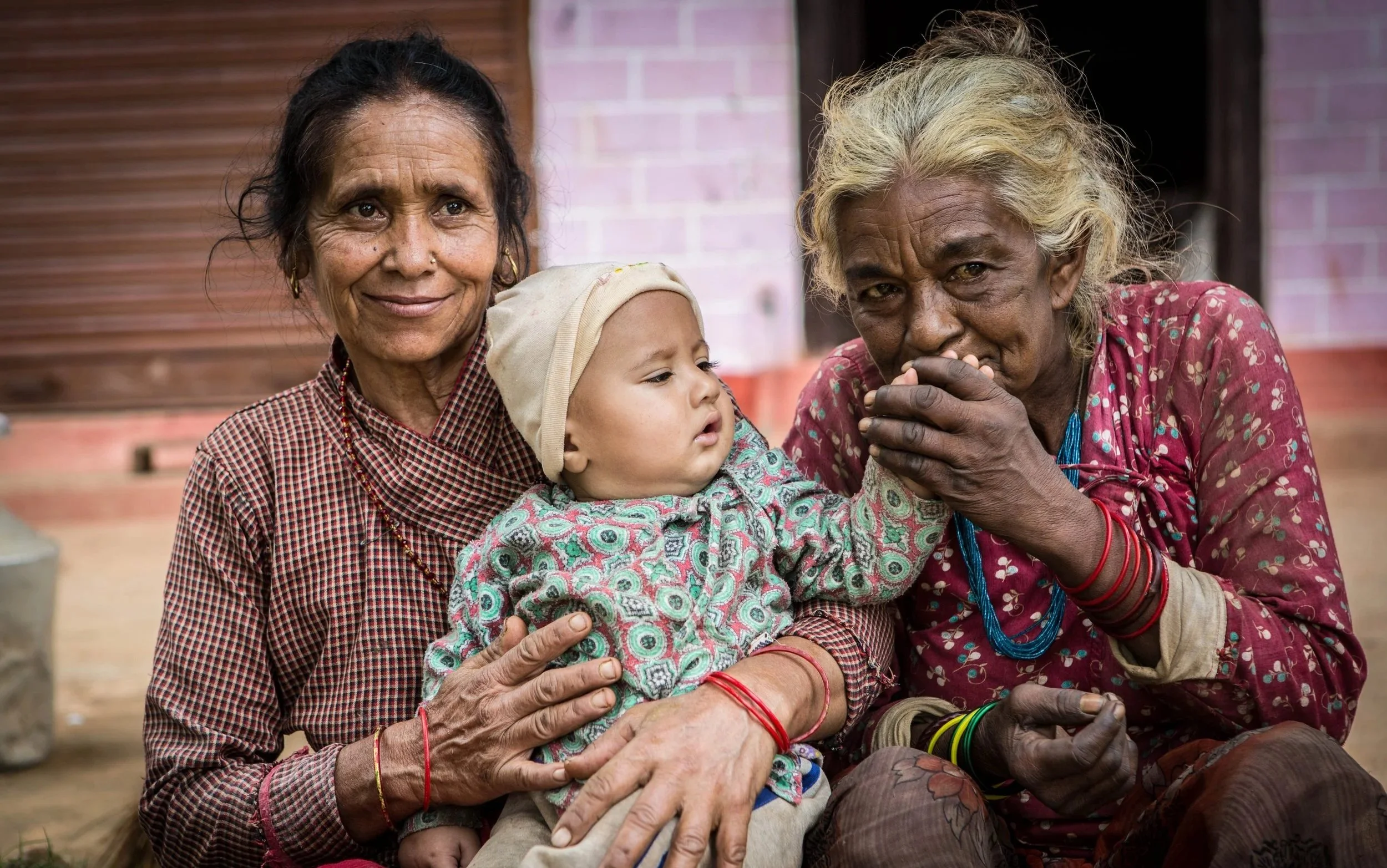
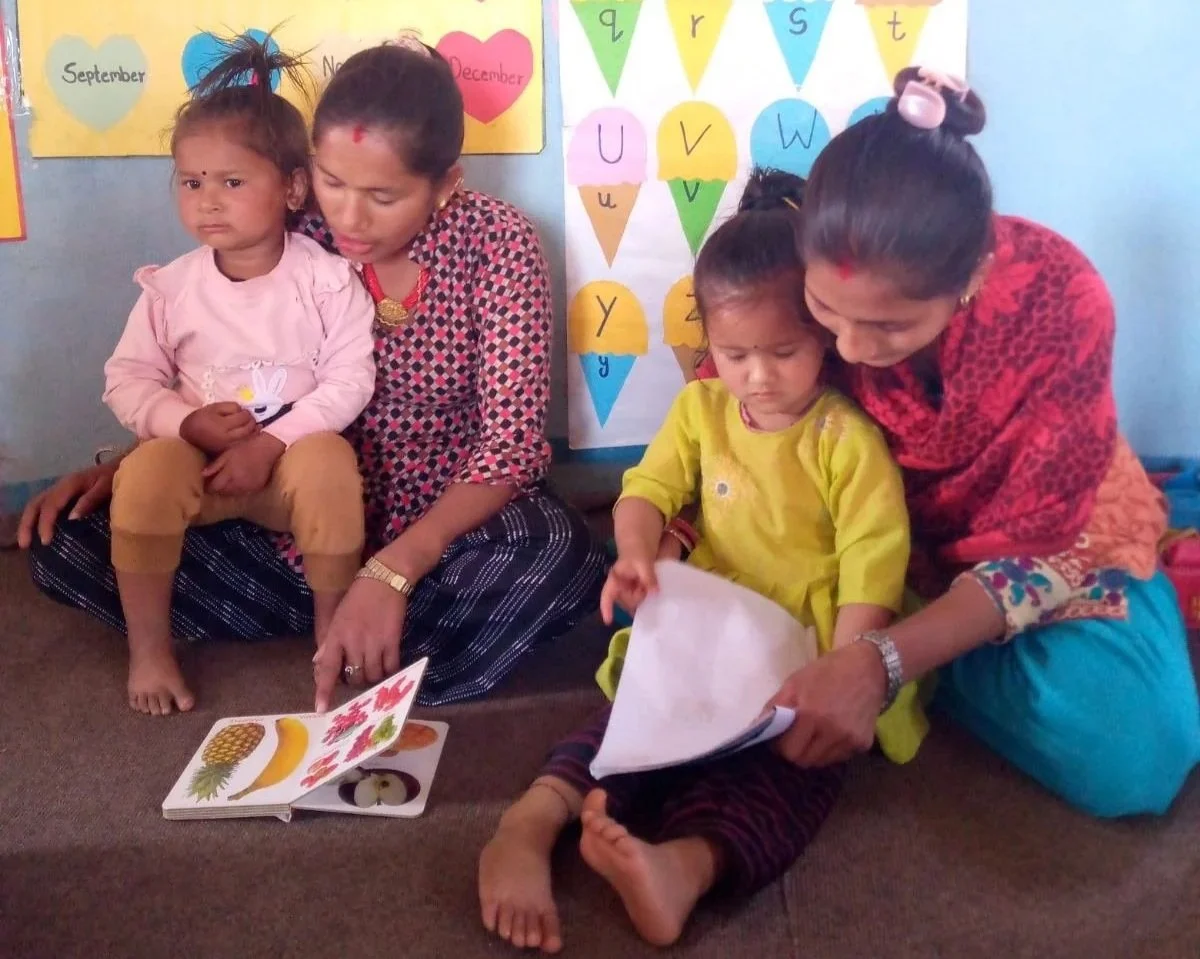
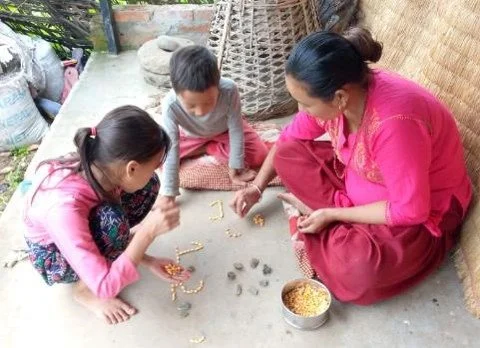
Parents are a child's first and most influential teachers. Their involvement in education significantly impacts academic achievement, confidence, and lifelong learning habits.
Research consistently shows that children perform better when parents actively participate in their educational journey. This involvement does not require advanced education or extensive resources. Simple actions can make a meaningful difference, such as:
Encouraging curiosity and learning at home
Telling stories and sharing family experiences
Communicating with teachers and schools
Celebrating achievements and progress
Providing emotional encouragement and guidance
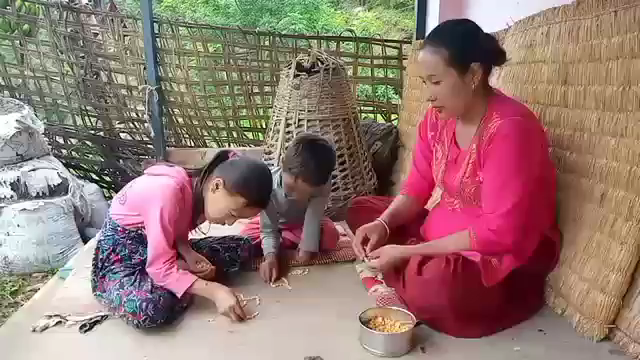
When parents engage in their children's education, they help foster a love of learning and strengthen the connection between home and school.
Community Education: A Shared Responsibility
Creating positive outcomes for children requires collaboration among families, schools and community organisations. Community education initiatives bring people together to share knowledge, address challenges, and build support networks.
Through awareness raising workshops and community discussions, we can empower families with the tools they need to nurture healthy, safe, and successful children.
At First Steps Himalaya, we are committed to promoting community education because we know that informed communities create stronger futures. By focusing on nutrition, child safety, and parental involvement in education, we can help every child grow in an environment that supports their development and well-being.
Together, we can build communities where children are healthy, protected, educated, and empowered to achieve their dreams.